The Tower and the Kaleidoscope
This week: the world's largest permanent projection runs nightly on a Tokyo tower, seven decades of Julio Le Parc turn Tate Modern into a playground, and a season of machine-made art asks what comes after us.
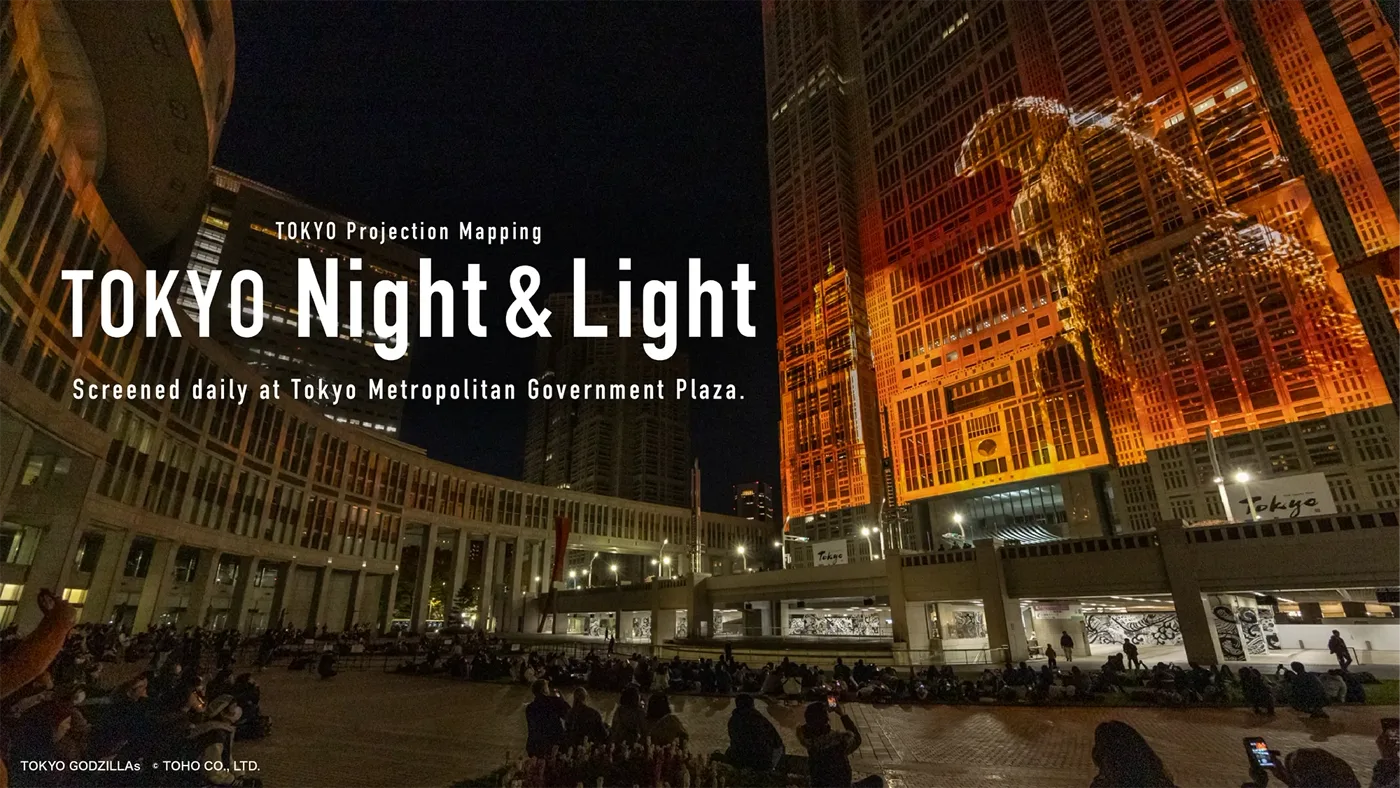
Every evening in Nishi-Shinjuku, the east wall of Tokyo Metropolitan Government Building No. 1 — 13,904 square metres of granite-and-glass bureaucracy — stops being an office and becomes a screen. TOKYO Night & Light holds the Guinness World Record for the largest permanent architectural projection-mapped display, and it runs on a civic schedule: several showings a night from around 7pm, on green electricity, free to anyone standing below. Most projection spectacle is temporary — a festival weekend, a product launch, a building borrowed for one night and handed back. What's quietly radical here is the permanence: a city has decided the throw from projector to façade is worth keeping lit every night of the year. The rarest thing in this field isn't scale. It's a client who never strikes the show.
TOKYO Night & Light: the largest permanent projection map runs nightly
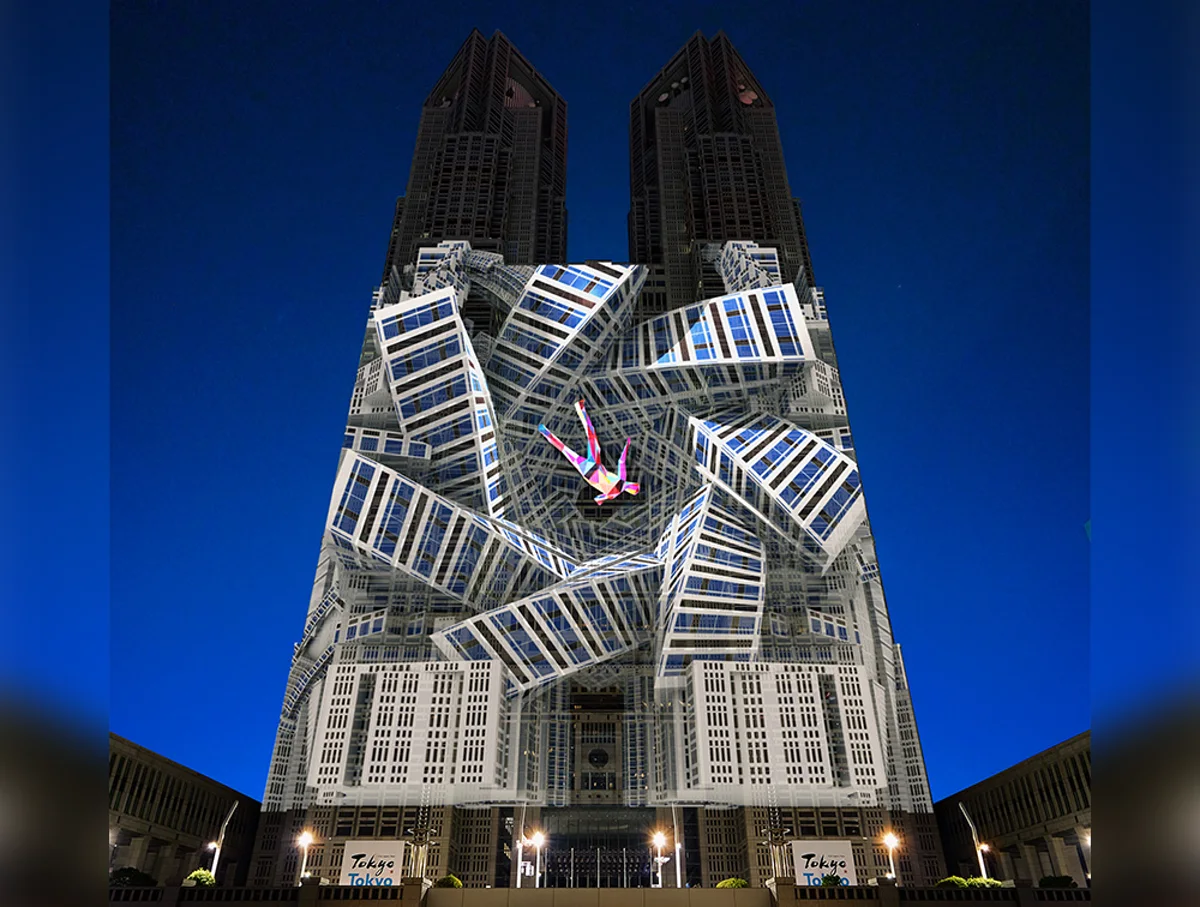
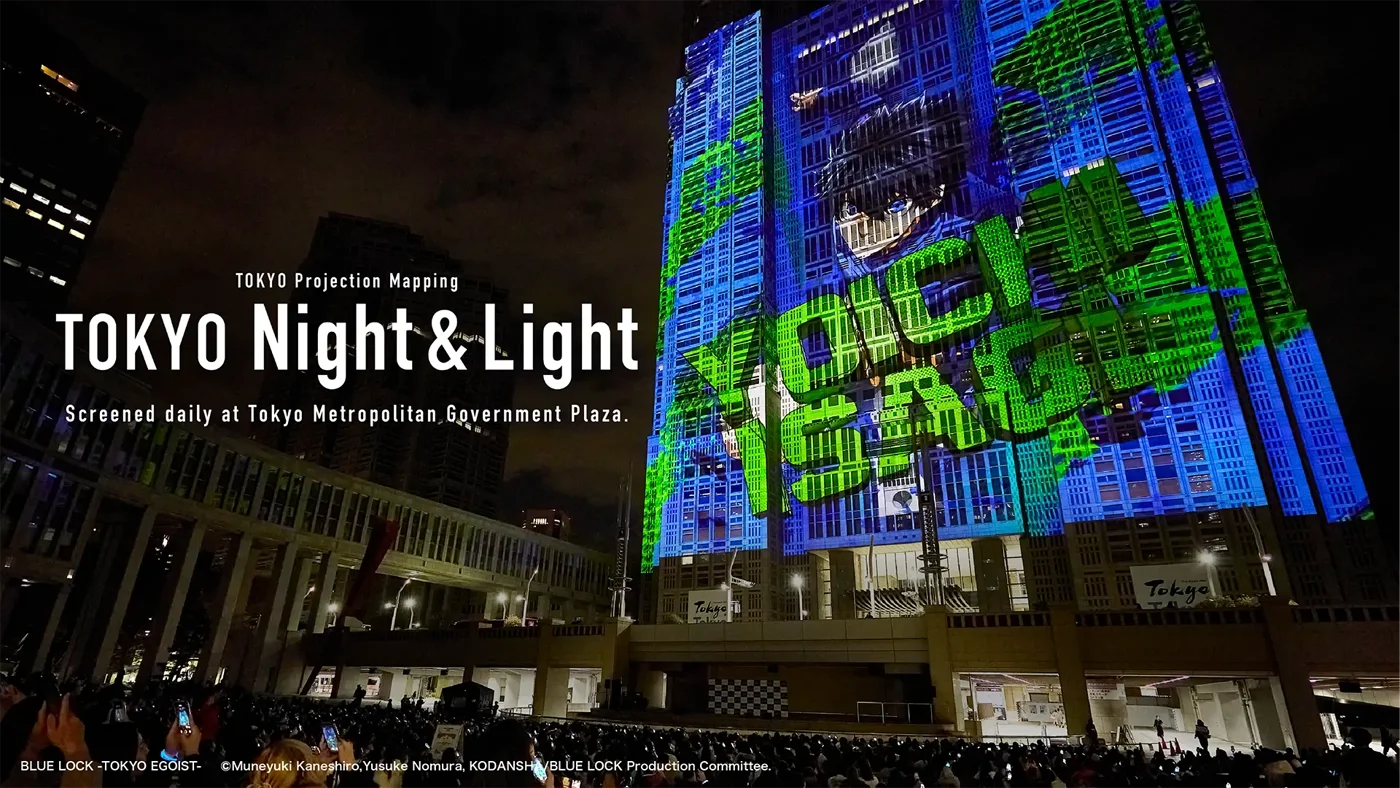
The certified number is 13,904.956 square metres — Guinness's largest permanent architectural projection-mapped display, thrown by forty projectors Panasonic built to survive the weather. The 2026 content schedule turned over on 1 August; there are several showings a night from around 7pm (earlier in winter), on green power. Organized by the Tokyo Metropolitan Government's projection-mapping committee, it is a piece of civic infrastructure that happens to be a canvas. Worth the walk into Shinjuku after dark.
Julio Le Parc: Light. Colour. Action. — Tate Modern
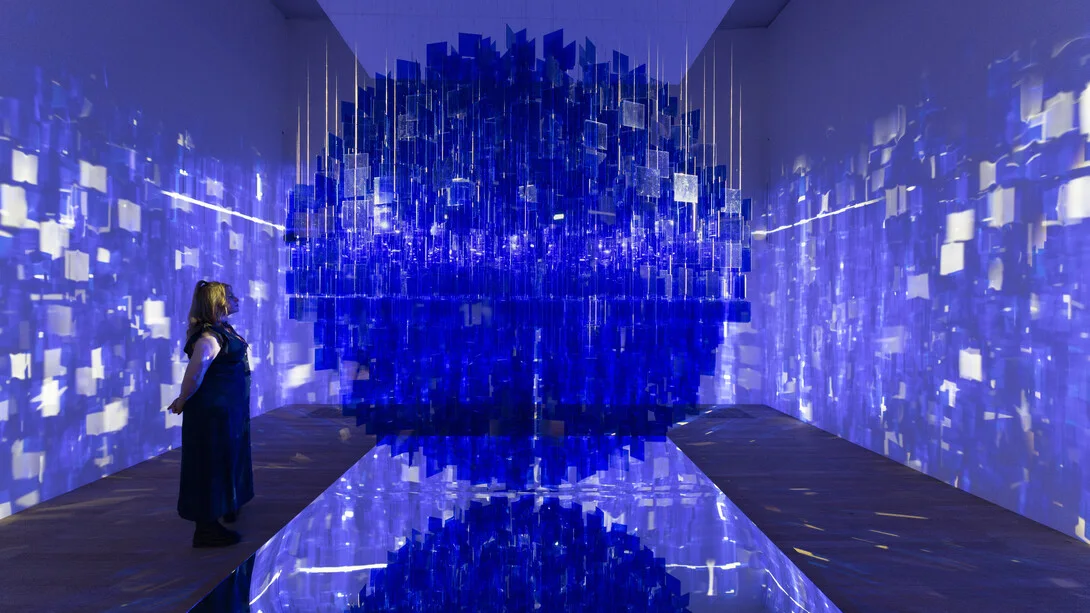

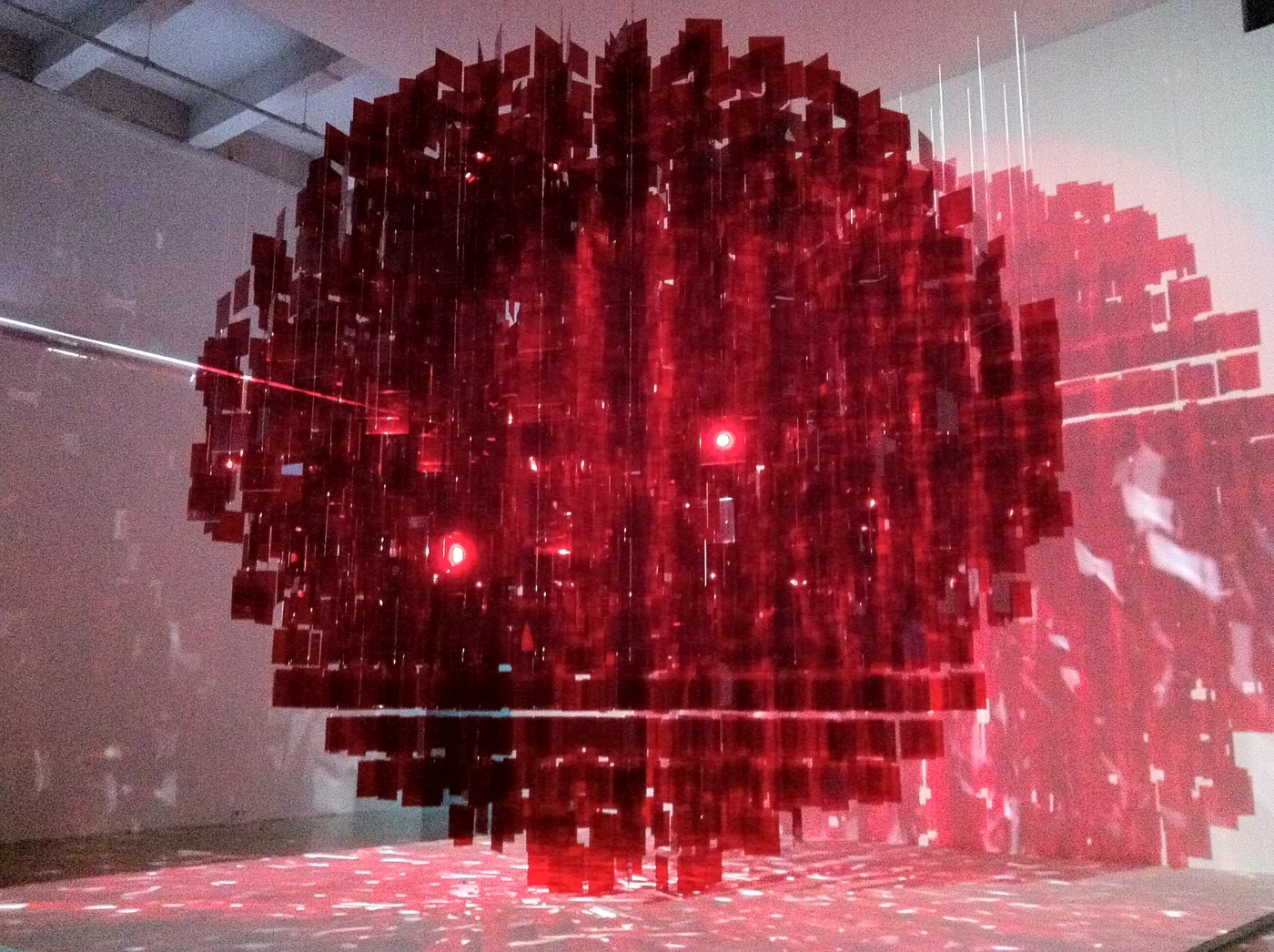
Before "immersive" was a marketing category, Julio Le Parc was building rooms that only finished when you walked into them. Tate Modern's survey — seven decades of the 97-year-old Argentine's kinetic light, mirrored distortions, and hand-cranked contraptions, open 8 June 2026 through 3 May 2027 — restores the participatory nerve of the 1960s GRAV group, where the viewer was the last component in the circuit. It is the deep history of nearly everything else in this issue. Go move something.
via Tate ↗
Last days: PrismaPhonik, twelve prisms of light and sound — Philadelphia
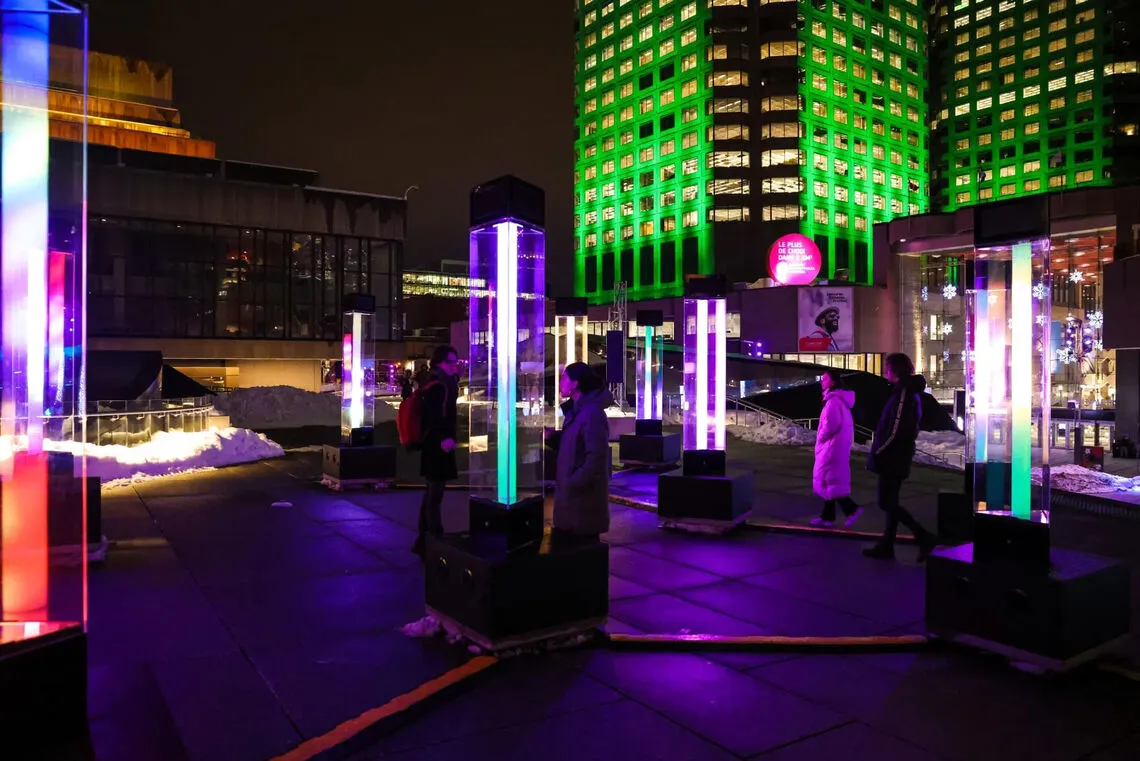
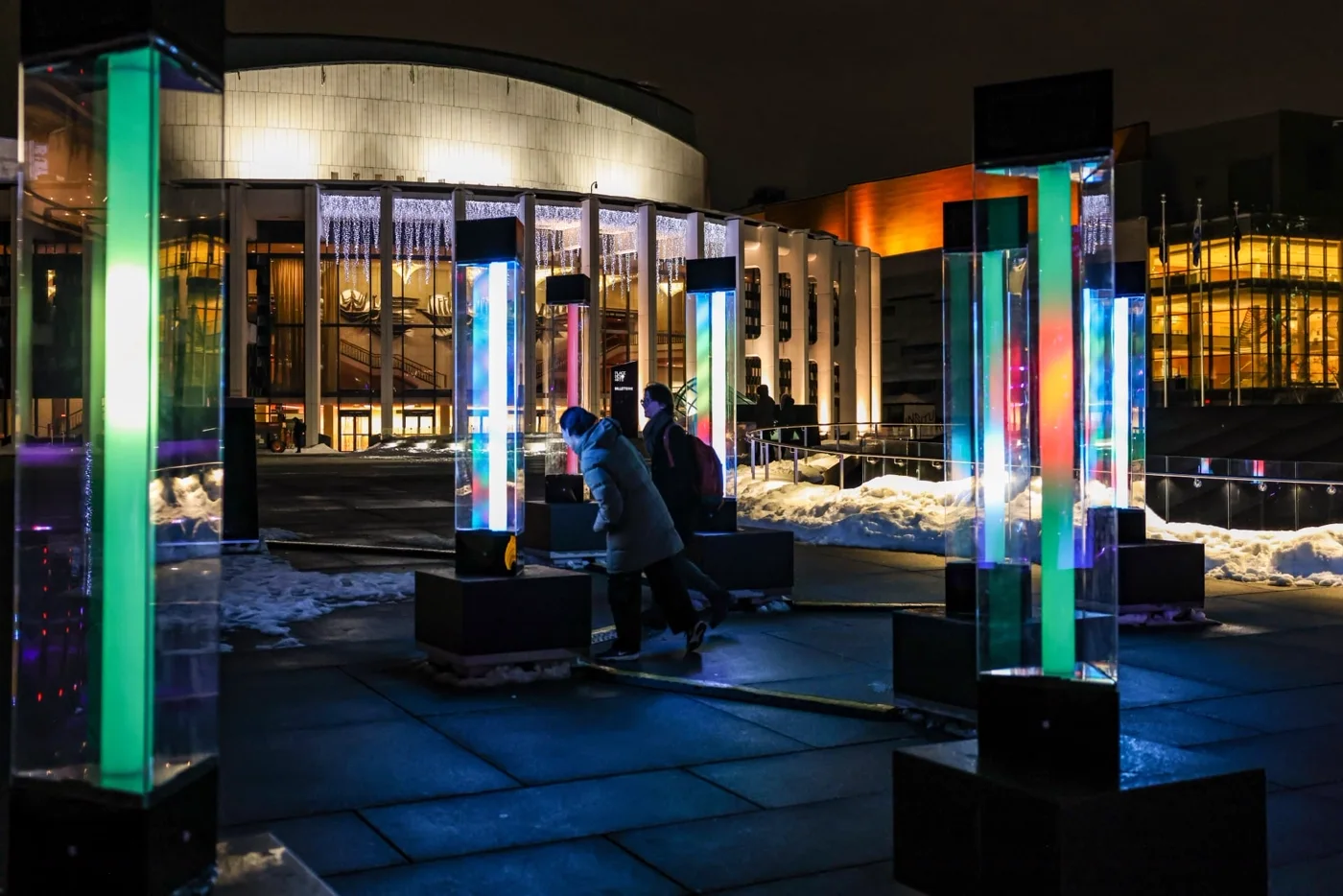
On the Delaware at Spruce Street Harbor Park, William Simard and Anthony Gagnon Boisvert have hung twelve glowing prisms — one per musician — that translate a score into colour and motion, a synesthete's orchestra you walk through rather than watch. Built with Philadelphia composers, free, and outdoors. It comes down 16 August; this is the last week to catch it.
Shimmer: Dreaming the Posthuman — Frist Art Museum, Nashville
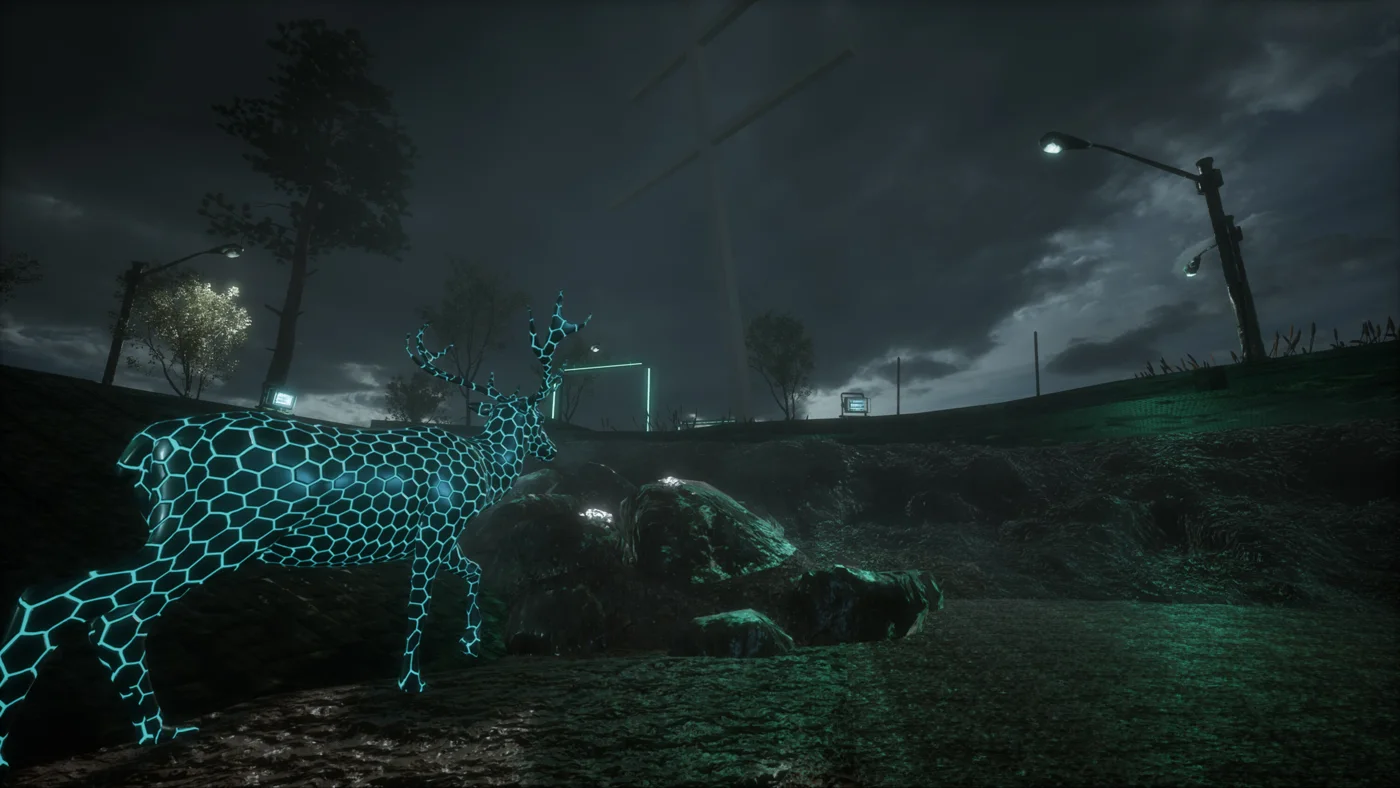
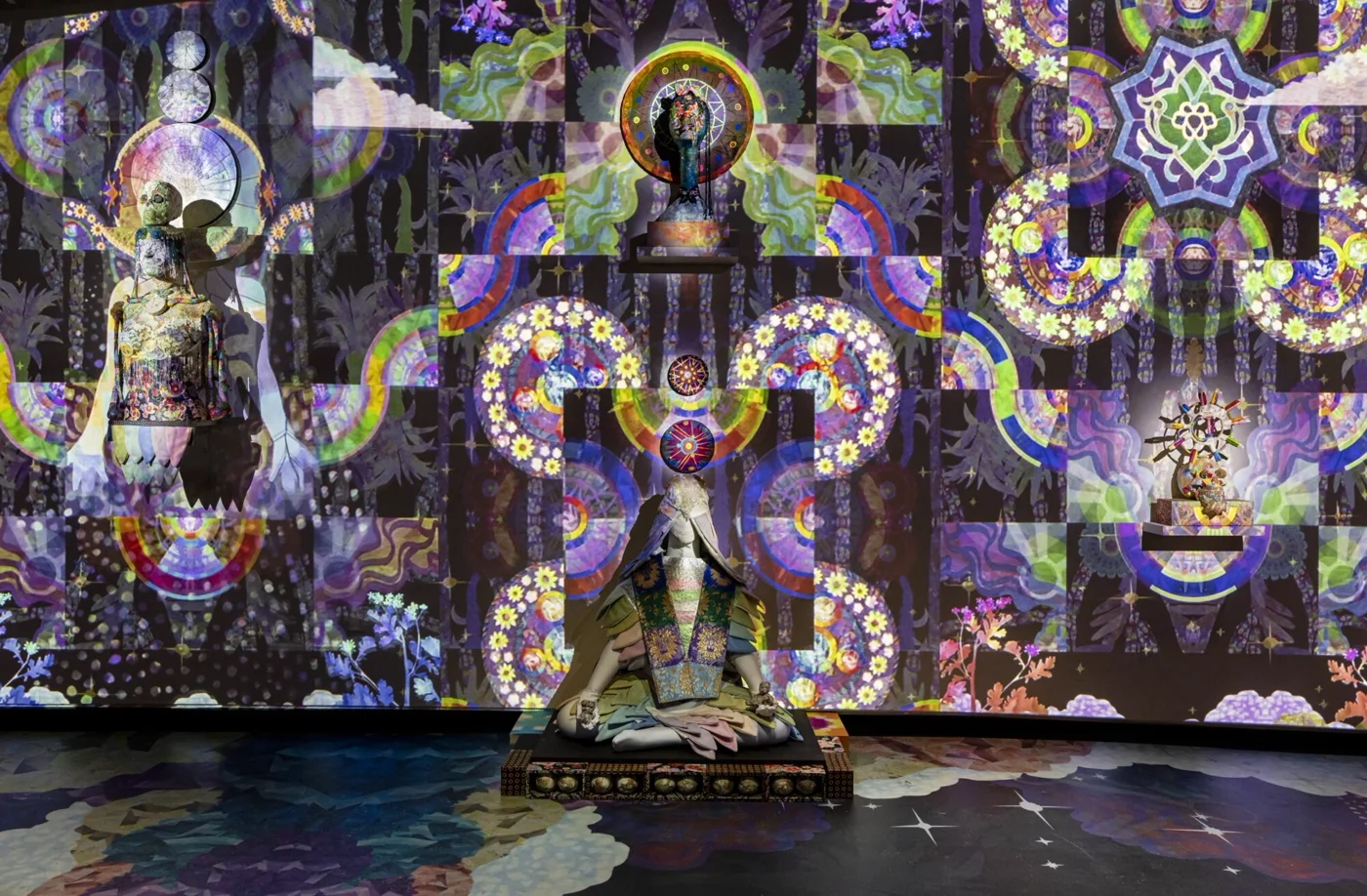
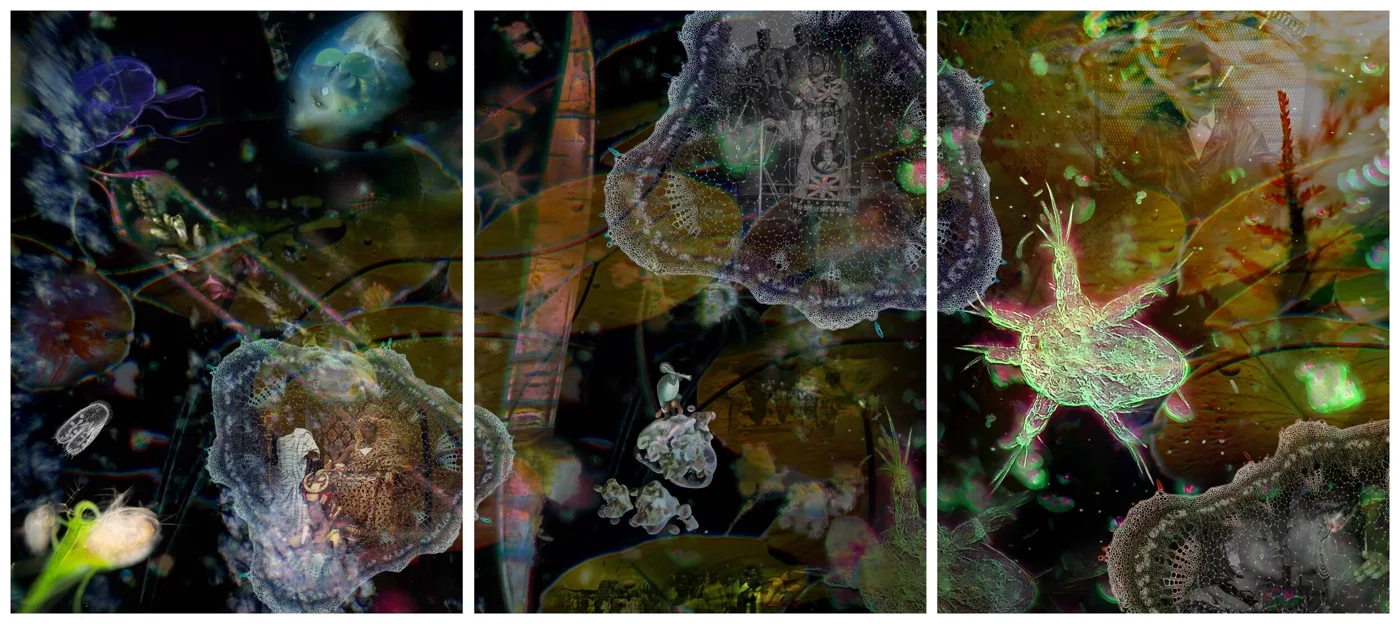
Seventeen artists, and a materials list that runs from motion capture and generative software to deer hide and glass. Opening 25 September (through 3 January 2027), the Frist's Ingram Gallery show runs from Jakob Kudsk Steensen's flooded digital wetland Aquaphobia to Jacolby Satterwhite's CGI underworld We Are in Hell When We Hurt Each Other (2020) and Alexandra Daisy Ginsberg's The Substitute (2019), a northern white rhino resurrected to exist only on screen. The argument: decenter the human, and watch what the light does to everything left standing.
MUTEK Montréal, Edition 27: an audiovisual trail through the city
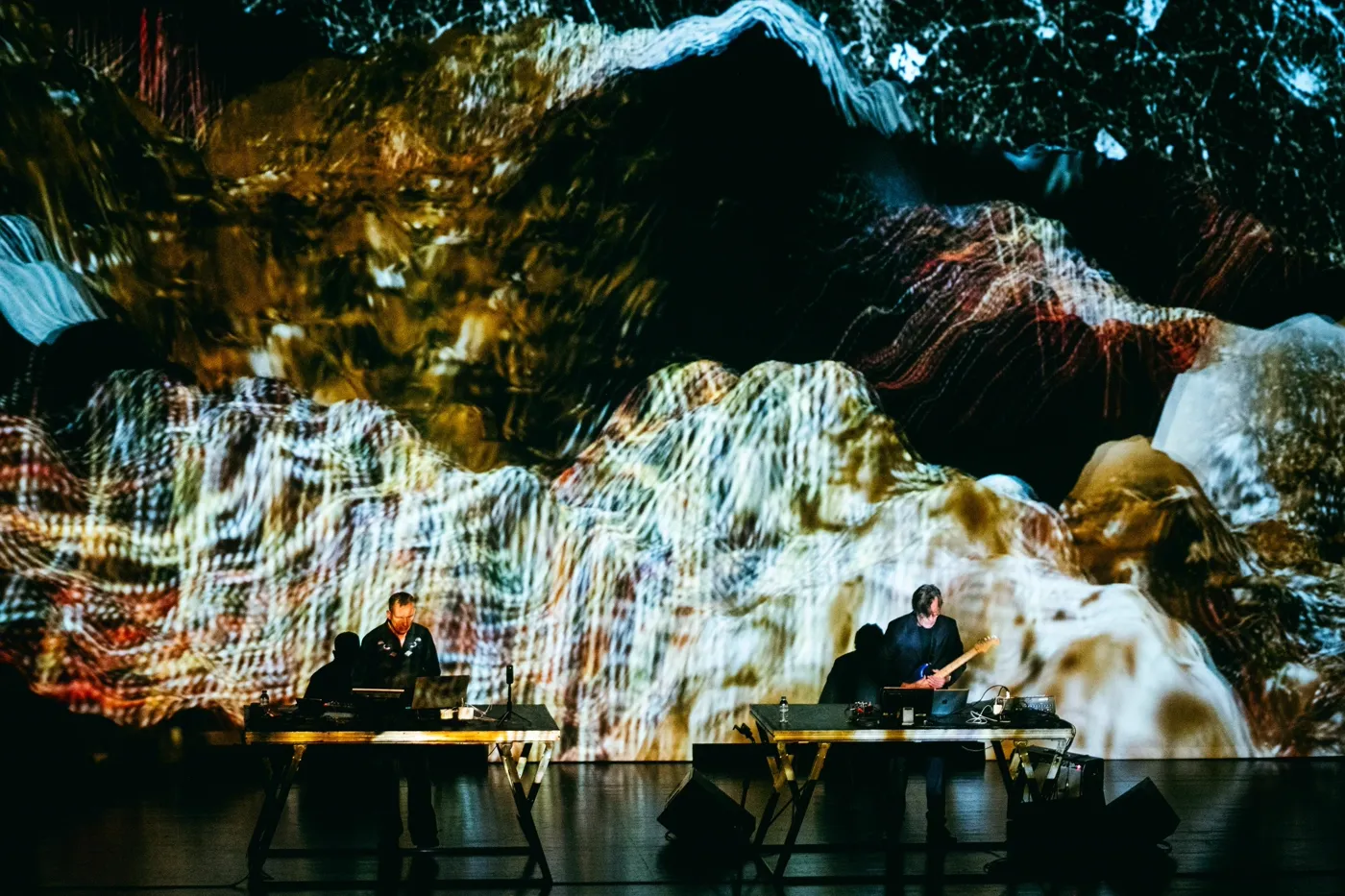
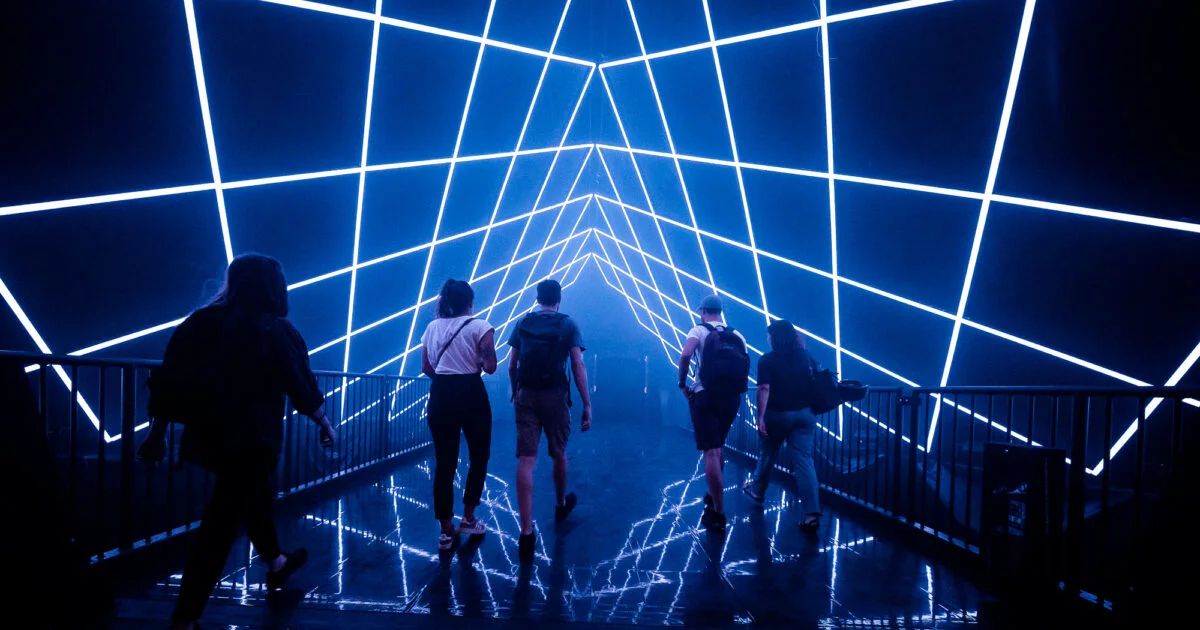
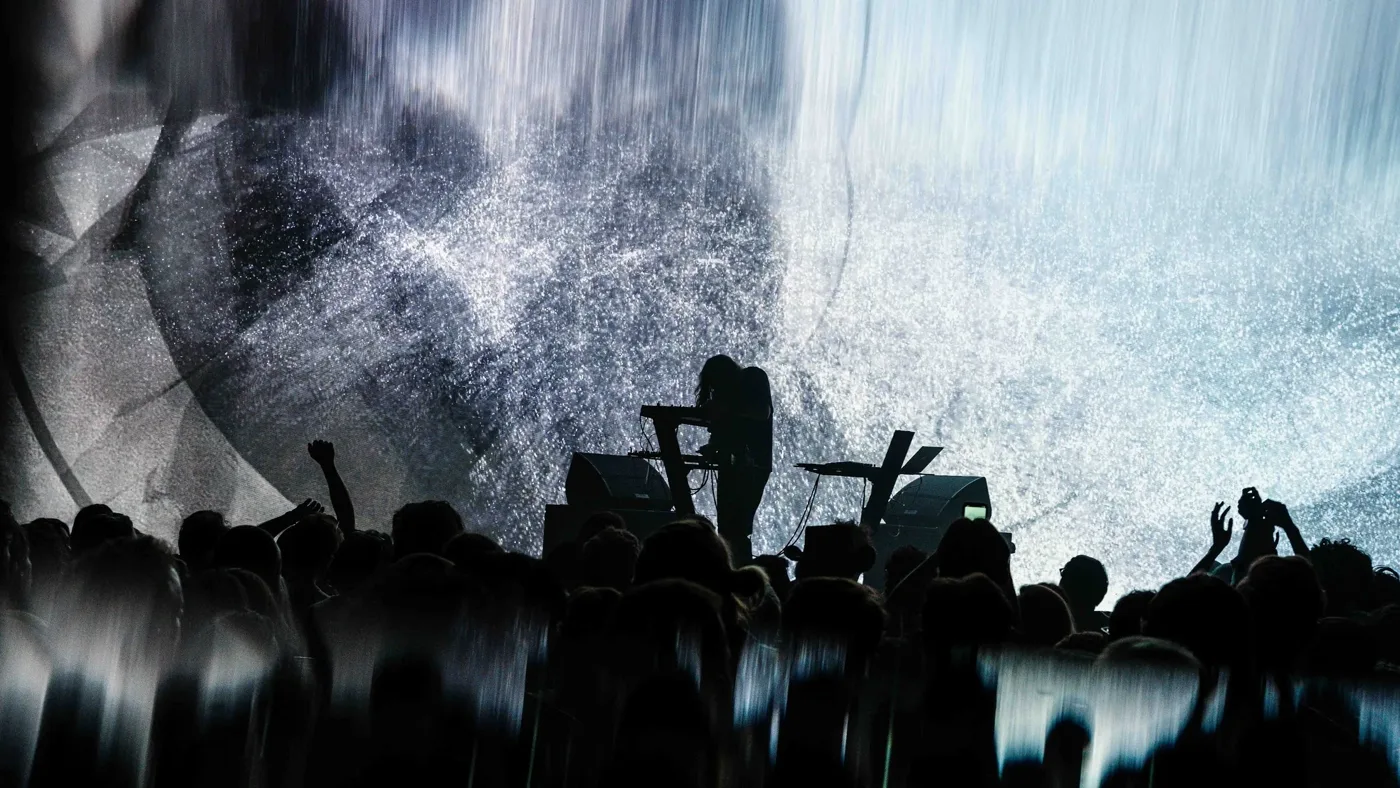
For its 27th edition — 25–30 August, with the free Village Numérique installation trail running 20 August through 3 September — MUTEK turns the Quartier des Spectacles into a self-guided circuit of audiovisual work under the banner Amplify & Resonate. The headline booking: Jeff Mills brings his Stargate immersive show to North America for the first time, alongside Rival Consoles, Matthew Herbert, and Fennesz with visual artist Lillevan. Six nights where the sound design and the light design are the same job.
via MUTEK ↗
Alice's Attic: the design behind Alice Cooper's 2026 tour
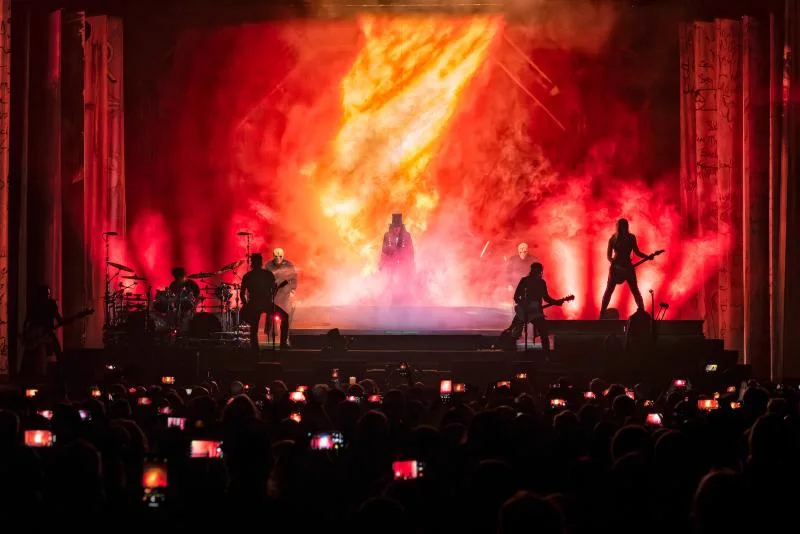
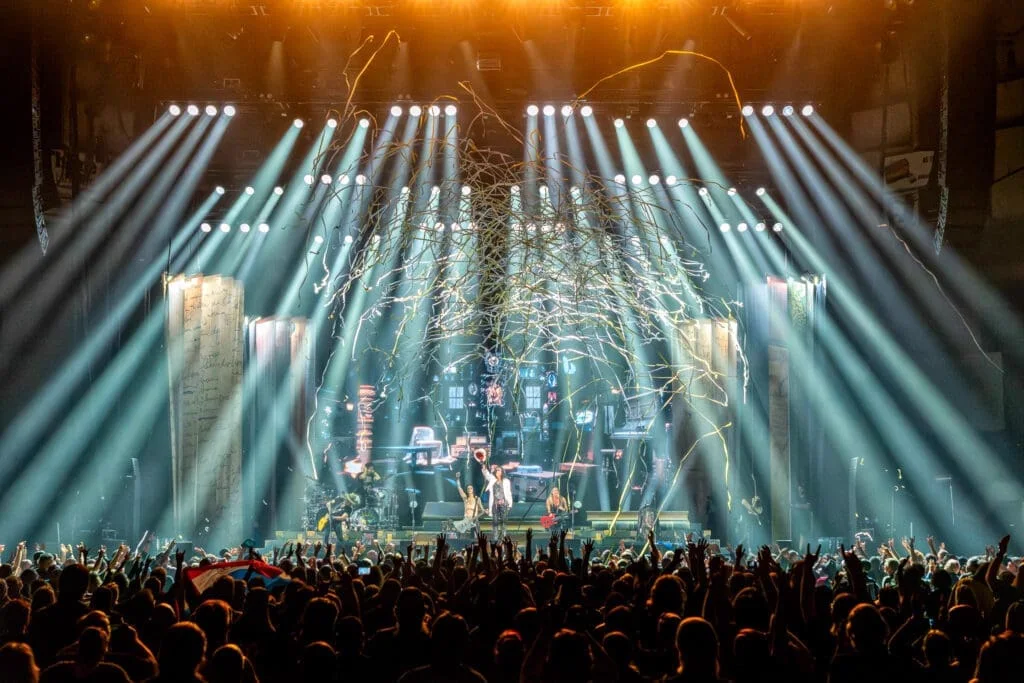
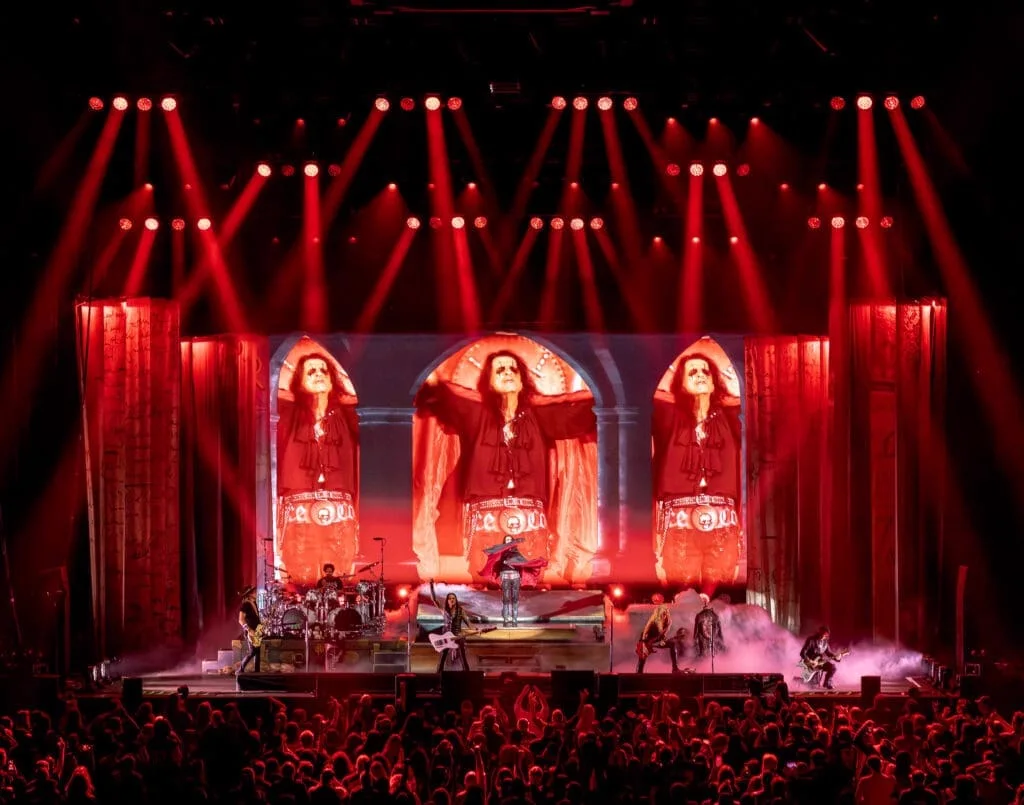
Alice Cooper has never separated lighting from narrative — the theatre is the point — and the 2026 "Alice's Attic" production makes the whole stage a living set: practical scenery colliding with a massive upstage LED wall, Alice first appearing as a silhouette climbing out of a giant dusty book. Production designers Sooner Routhier and Curtis Adams — with lighting director Chris Noll and programmer Austin Schneider — run a fully automated rig (Robe Spiiders, Vari-Lite VL3600s, ACLs) across a huge dynamic range: "The Ballad of Dwight Fry" pared back to a single uplight and two rear washes, "Brutal Planet" cued hard to the bass hits. Storytelling first; spectacle on cue. Gear supplied by Bandit Lites.
via Live Design ↗
Curated by Neves Creative. Every item links to its original source.