Borrowed Rooms
Marina Abramović dies seven times in a Copenhagen water reservoir, a Berlin foundation shows in nightclubs on purpose, and the format for lighting a building you are not allowed to touch turns seventy-four.
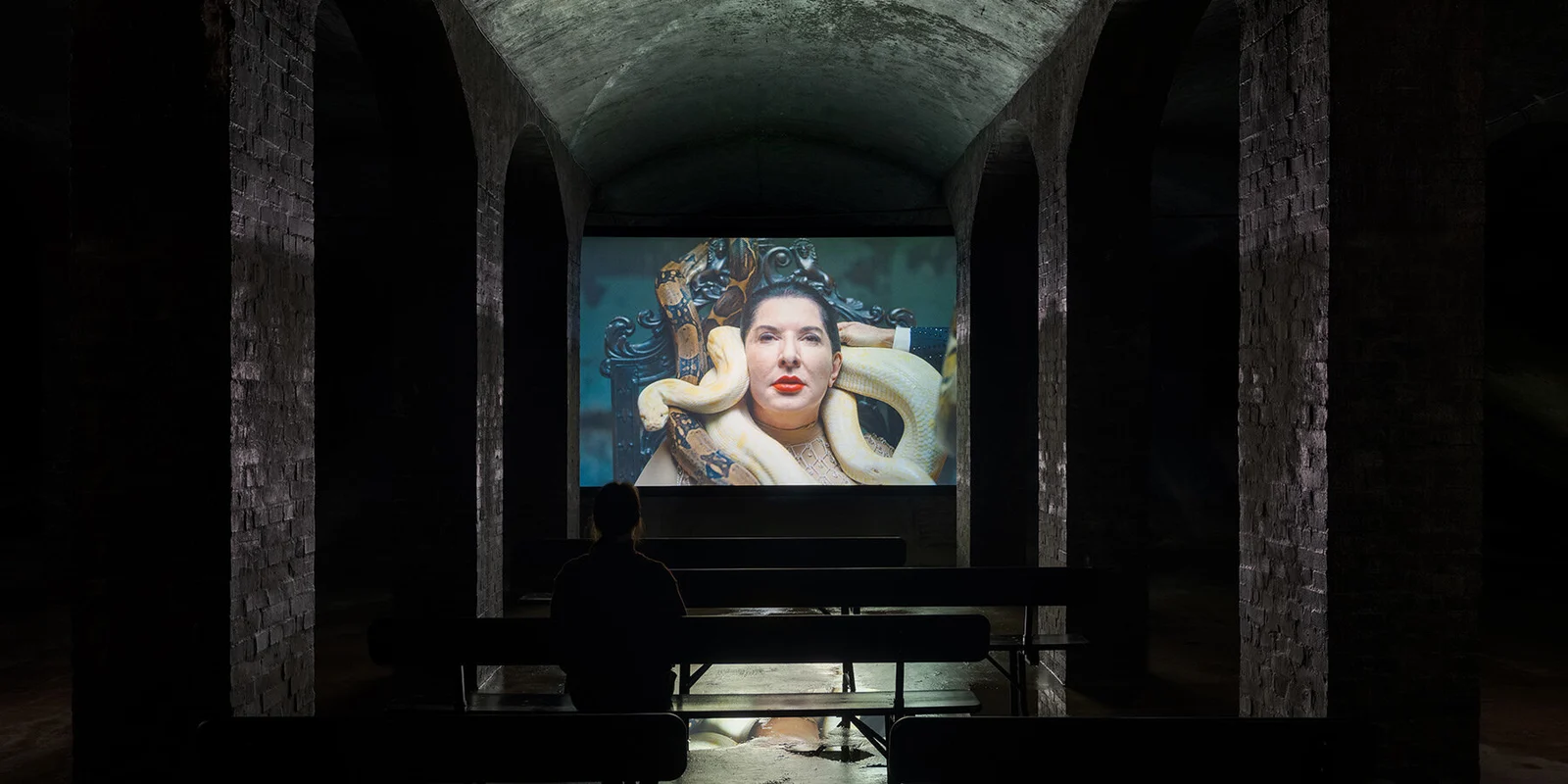
Under Søndermarken park in Copenhagen there is a reservoir, cut into Frederiksberg Hill in 1856 after cholera had killed several thousand people, that stopped supplying the city's drinking water in 1933 and was not finally drained until 1981. It is dark, it is dripping, the brick is furred with mineral growth, and the columns holding up the ceiling stand exactly where you would want to put an audience. Marina Abramović dies in it seven times, over about an hour, until 30 November. Nobody would build this room. Everybody should want it.
Borrowed Rooms
A black box is a room with every variable removed. That is its virtue and its whole problem. You can put anything in it, which is another way of saying it will never help you.
The alternative is to borrow something — a reservoir, a club, a ruin — and inherit its arguments. At Cisternerne, water drips onto a floor the audience has to stand on, the acoustics are a cathedral nobody tuned, and the structure interrupts every sightline. Each of those is a problem on a drawing. In the room they are the work: sound arriving before you can find its source, a screen glimpsed between columns, your own footsteps in standing water while somebody dies on screen. A dry, square, well-behaved version of this would be worth less.
This is a trade we make more often than we admit, usually under duress. A venue comes with a column. A heritage facade will not take a fixing. The client's room has a ceiling two metres lower than the render. The instinct is to treat all of it as damage, and to spend the budget subtracting — masking, flying, levelling, blacking out. Sometimes that is right. But the cost of a neutral room is that it gives nothing back, and the budget spent flattening a space is budget not spent on the thing people came for.
LAS Art Foundation has made the opposite bet into a programme: it shows in Halle am Berghain and Kraftwerk, which are a nightclub and a power station, because a crowd walks into those buildings already expecting to be altered. The room does work the lighting plot would otherwise have to do alone.
None of this is new, which is the useful part. The whole format for lighting a building you are forbidden to touch was invented in 1952 by a man whose job was to protect the building. Seventy-four years on, the brief has not changed: reveal the thing, damage nothing, and leave by morning.
So the question for any site is not what it lacks against a black box. It is what this room does that an empty one cannot — and whether you have the nerve to design for that instead of against it.
Seven deaths in a Copenhagen water reservoir
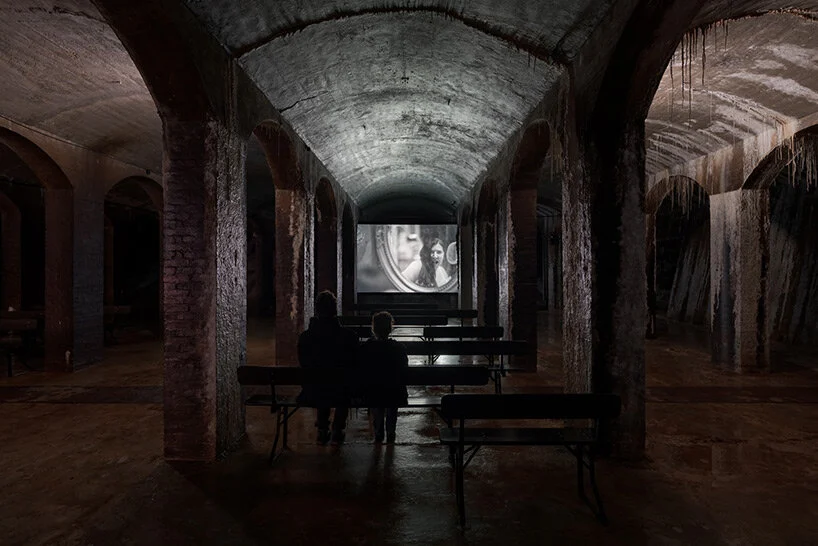
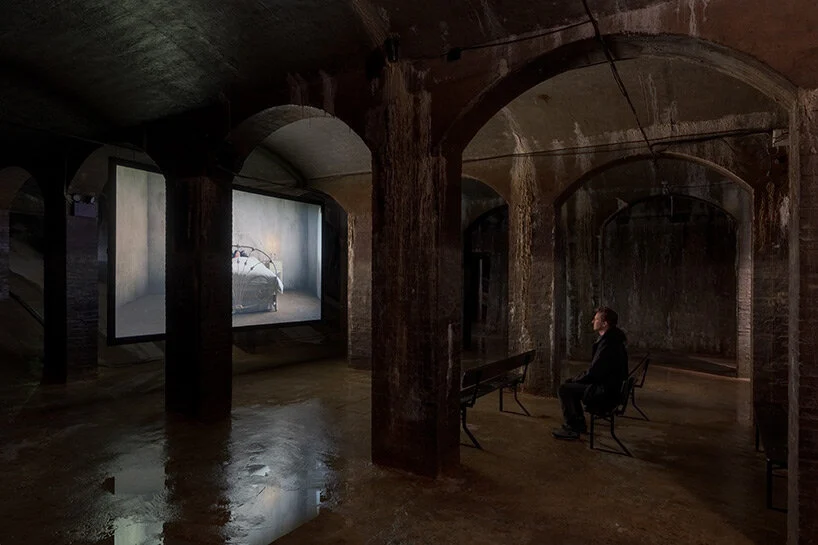
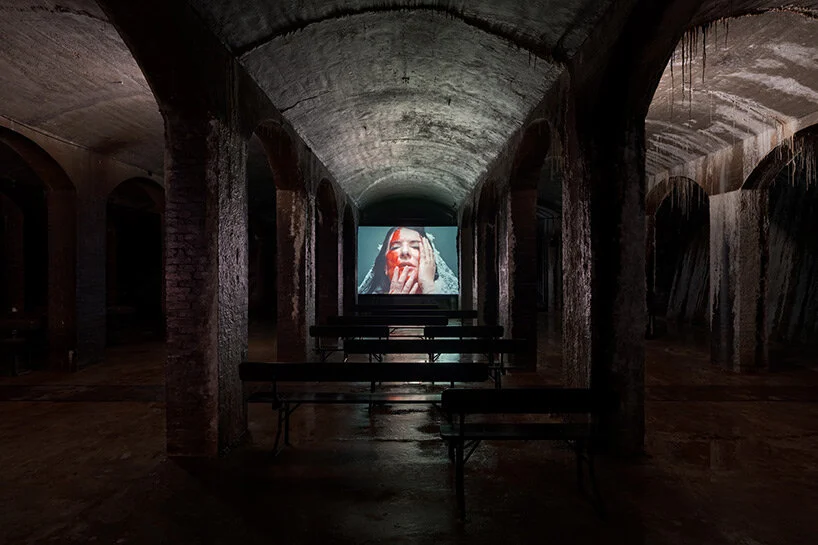
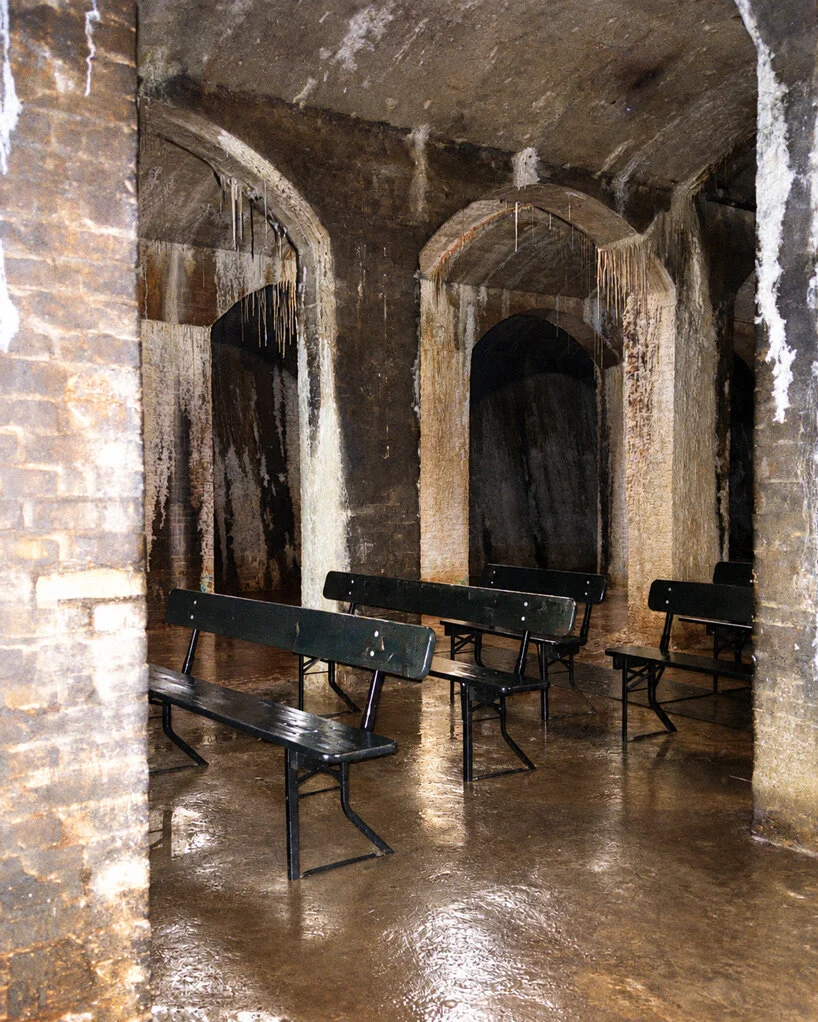
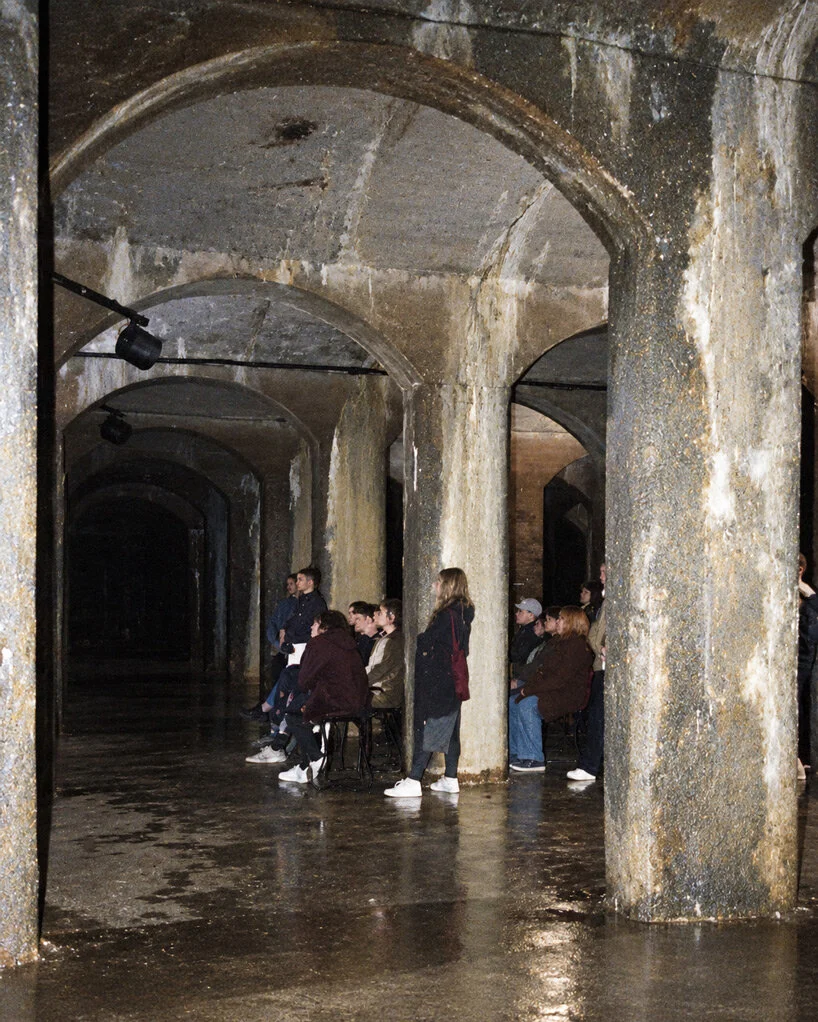
Seven Deaths puts Abramović inside seven roles Maria Callas made famous — Violetta, who dies of tuberculosis; Tosca, who jumps; Desdemona, killed by Otello; Carmen, by Don José — as a series of short films opposite Willem Dafoe, set to recordings of Callas singing. It runs about an hour, and it is installed as separate screen setups scattered through the Cisternerne's chambers, so the audience walks from death to death rather than sitting through them.
The room is a former water reservoir beneath Søndermarken park, and it behaves like one. Water drips from the vault. Puddles on the floor catch whatever light escapes a screen. Sound carries so far through the brick that, as designboom describes arriving, the opera reaches you before you can locate which screen it is coming from.
Our read: everything that makes this hard is doing the work. A single screen in a dry room gives you one vantage and one ending; a dozen obstructions give you an hour of searching for the source of a voice, which is a far better description of grief than any edit would manage. Note also what the format buys: distributing the piece across small setups means no single sightline has to be solved, so the columns stop being obstacles and start being walls. If you have ever lost a week to masking a room's awkwardness, this is the argument for spending that week somewhere else. It closes on 30 November, Abramović's eightieth birthday.
via designboom ↗
Grimanesa Amorós was handed the house lights
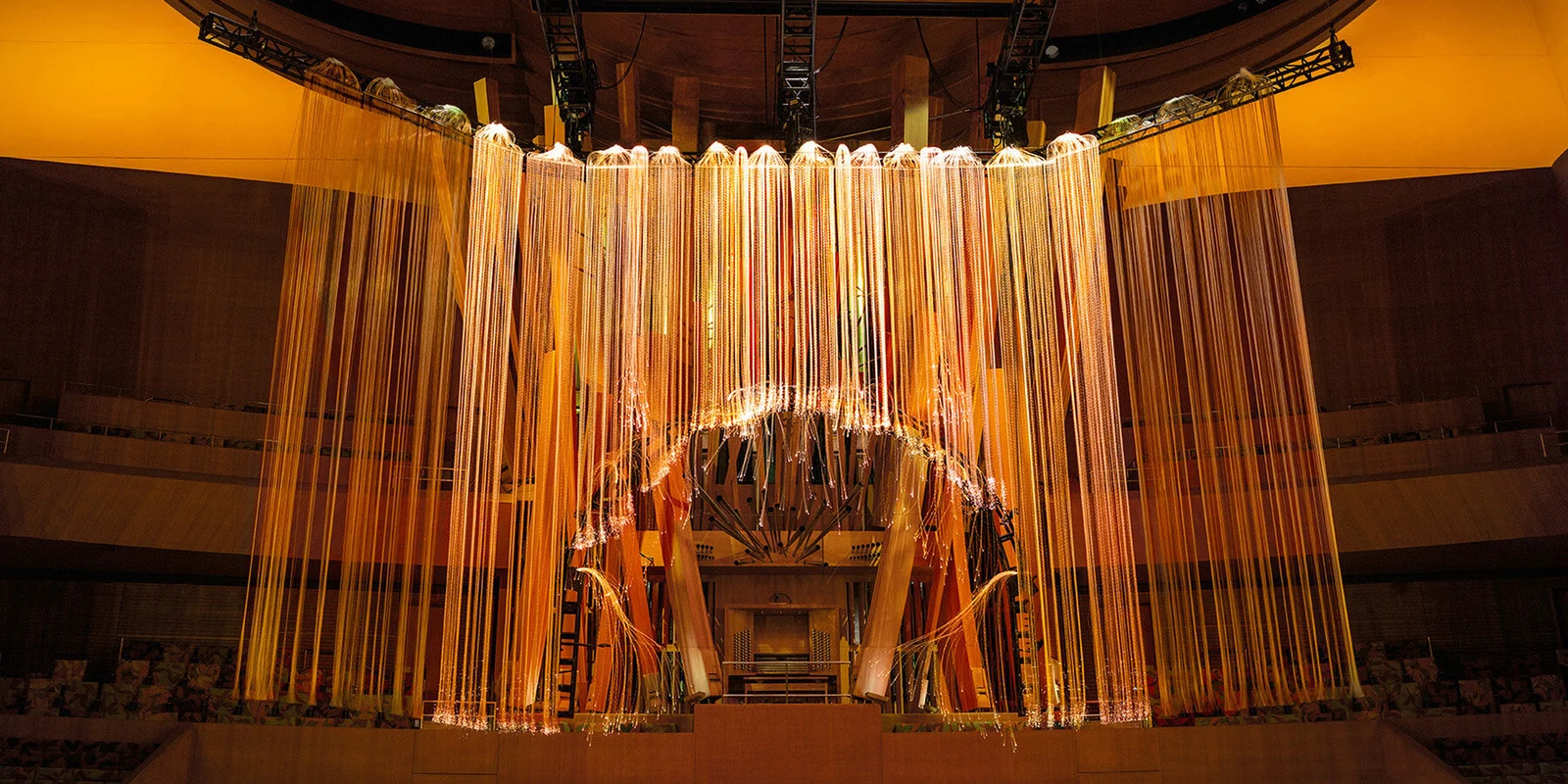
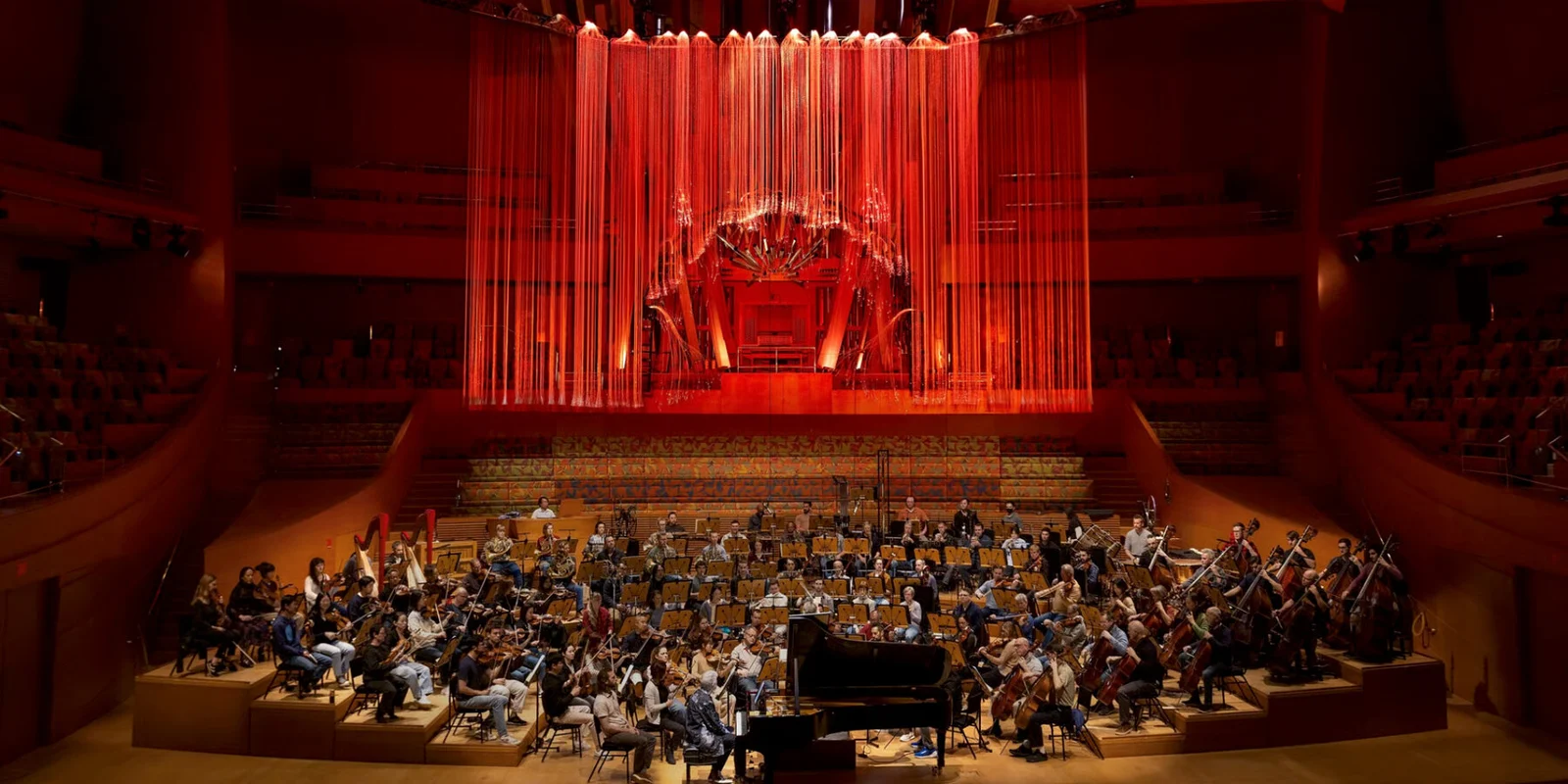
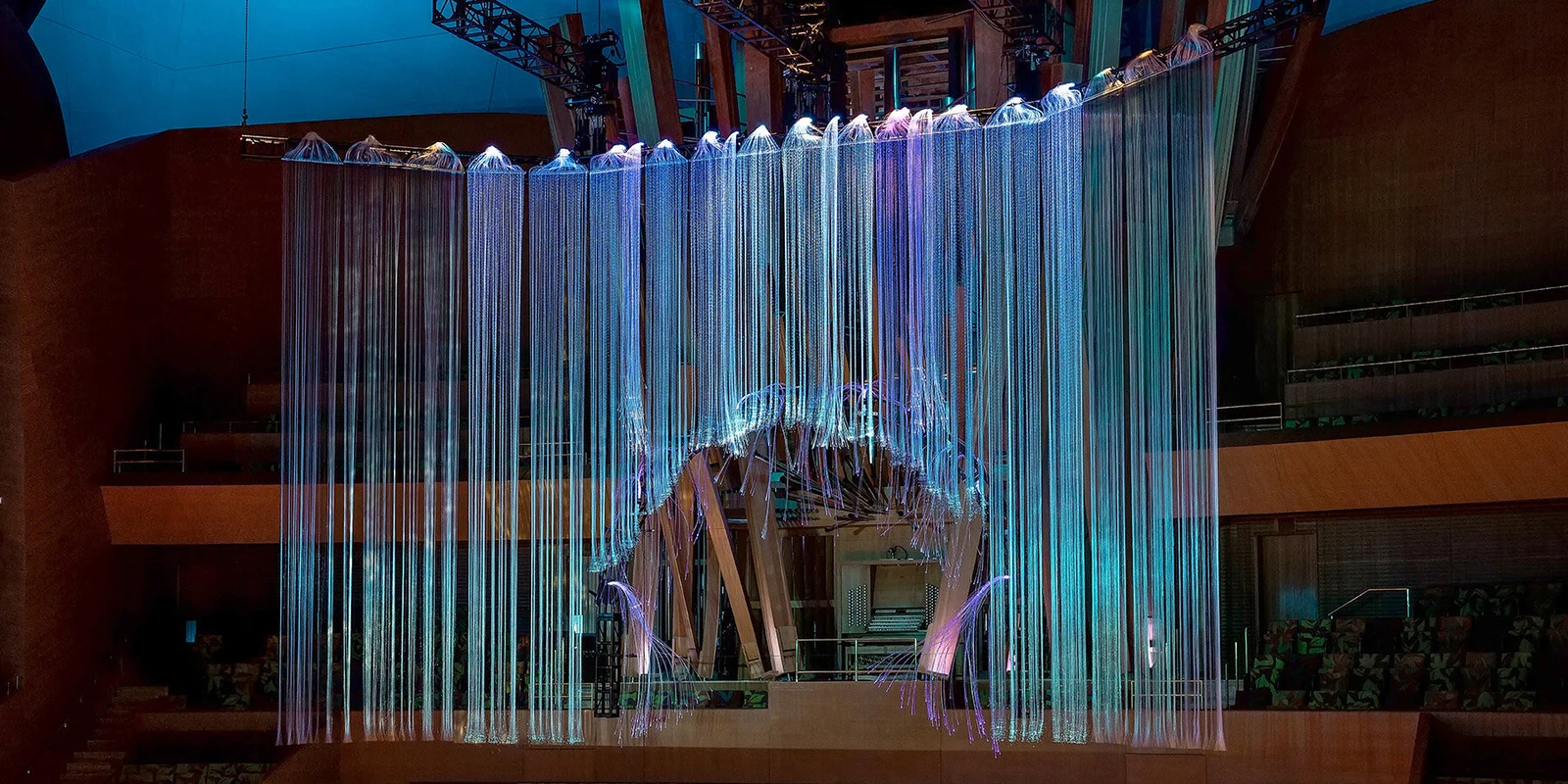
RADIANCE hung sixty feet wide above the Los Angeles Philharmonic for three performances in January, commissioned to accompany the piece we wrote about last week: Scriabin's Prometheus, the one with a light part nobody could play. Esa-Pekka Salonen conducted. The sculpture is 60 × 35 × 5 feet of reflective material and colour-shifting rope LED on custom hardware, and Amorós — Peruvian-born, working in light since 2002 — built it around fire, naming both Prometheus and Viracocha, the Incan creator.
The detail that matters is not the sculpture. It is that Amorós programmed the sculpture and Walt Disney Concert Hall's own house lighting as a single environment, in a sequence written second by second against the score, resolving into six synchronised moments.
Our read: ask a venue to hand over its house lighting and you will normally be told no, politely, for about six good reasons. That she got it is the whole story. A light sculpture fighting a hall's own lighting is decoration; a light sculpture that is the hall's lighting is staging, and the difference is a permission, not a product. Scriabin left the realisation open in 1911 and every revival has had to decide for itself — this one decided the answer was the room.
via designboom ↗
World of WearableArt: the room you cannot borrow
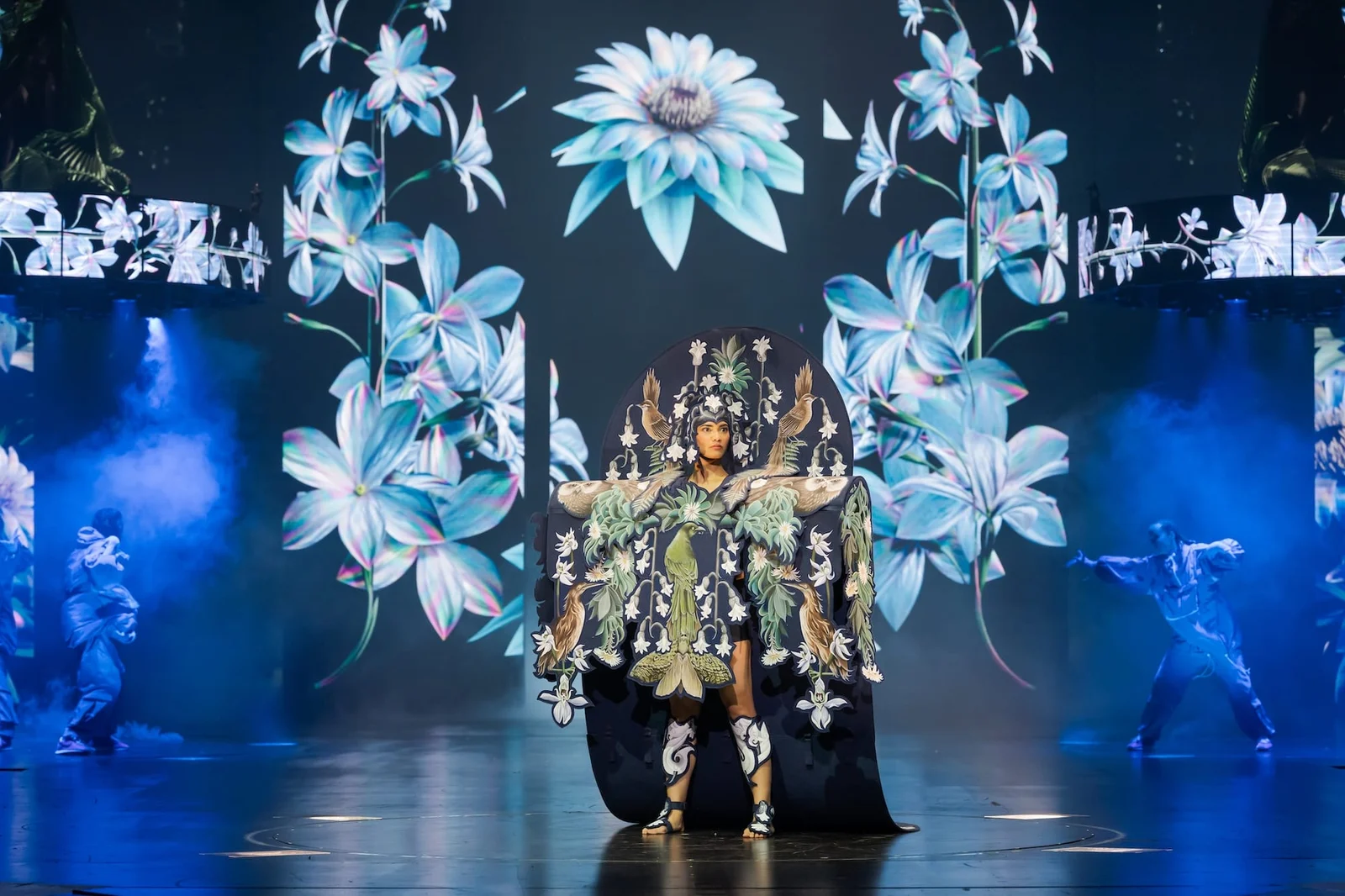
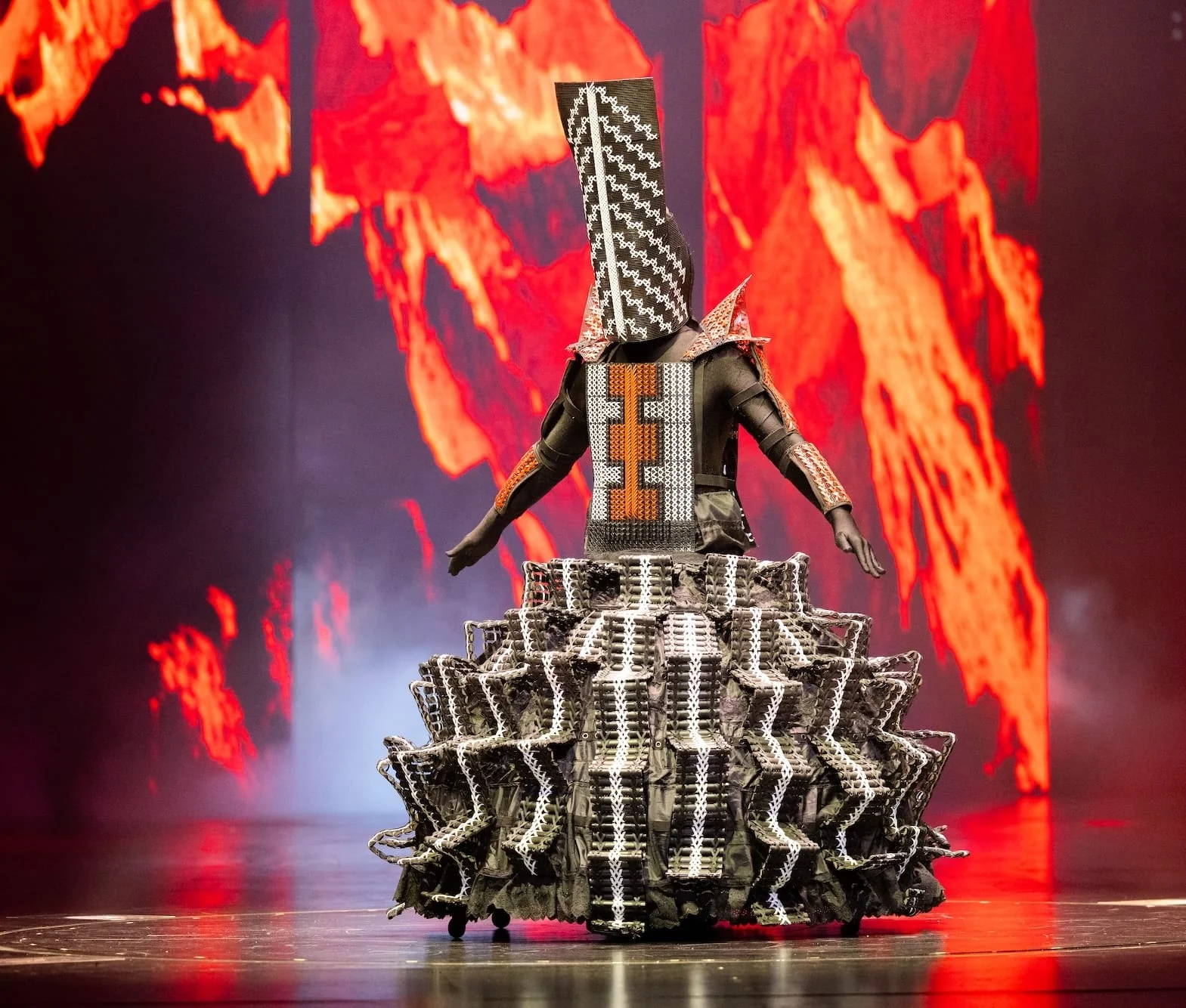
This year's World of WearableArt, running under the title GLO!, finished its season at TBS Arena in Wellington on 4 October. Kayla Christensen took the top award for Sacred Nightfall, a draped floral garment that nods to Indigenous ceremonial cloaks. The competition has been running since 1987 and takes entries from anywhere.
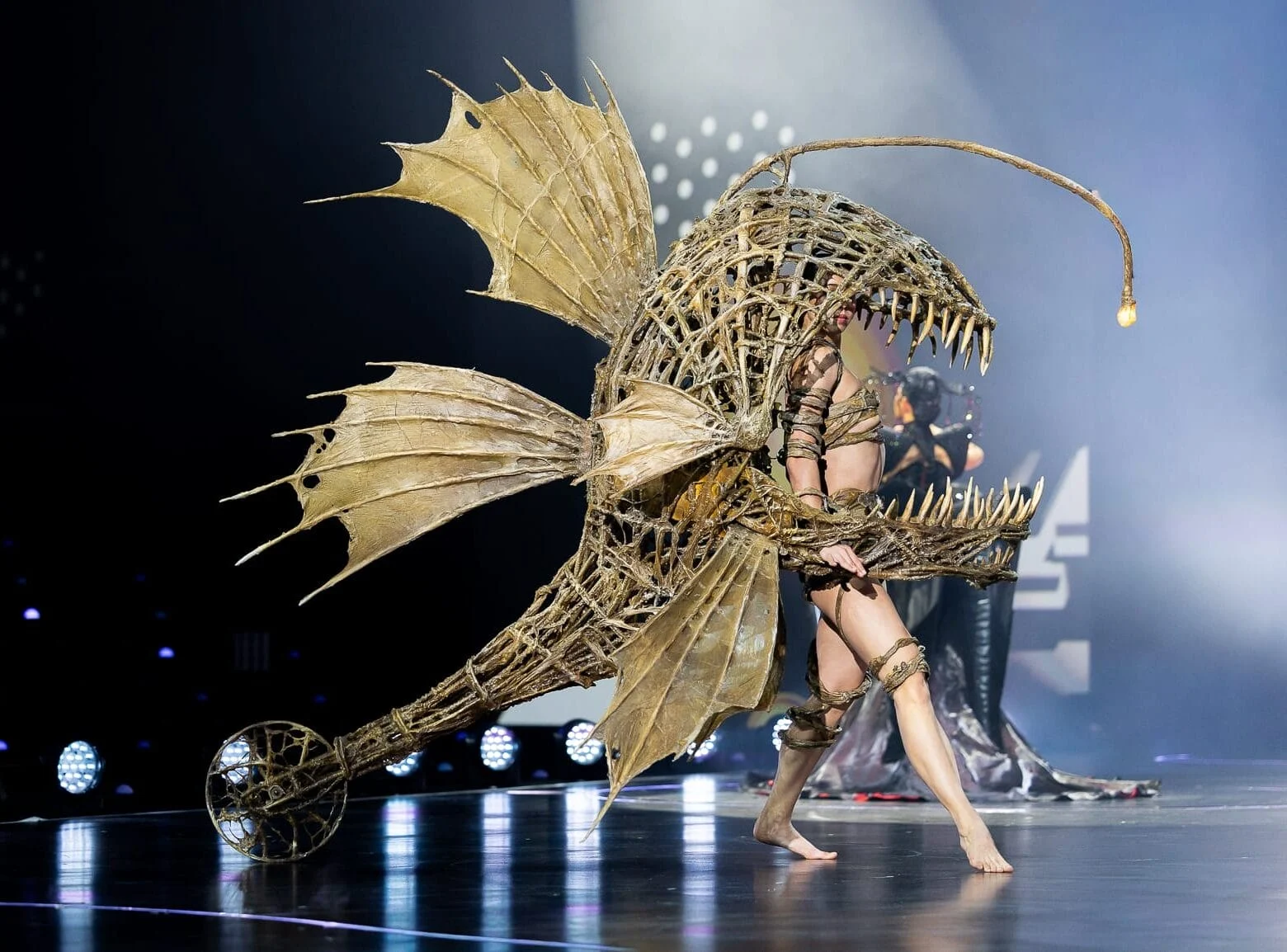
Look at Joe Blanck's Lophii and you can read the engineering off the photograph: an anglerfish skeleton big enough to swallow the performer, a lit lure cantilevered a metre past her head, and a wheel at the tip of the tail — because a structure that long cannot be carried, only balanced and rolled.
Our read: the counterweight to everything above. When there is no room to borrow, the work has to carry its own architecture, and every gram of it lands on one person who still has to walk. That tail wheel is the most honest fixture in this issue: a visible admission that the design exceeded what a body can hold, solved in the open rather than hidden. We have put wheels under scenery for exactly the same reason and been less upfront about it.
via Colossal ↗
Bettina Kames on showing art in nightclubs
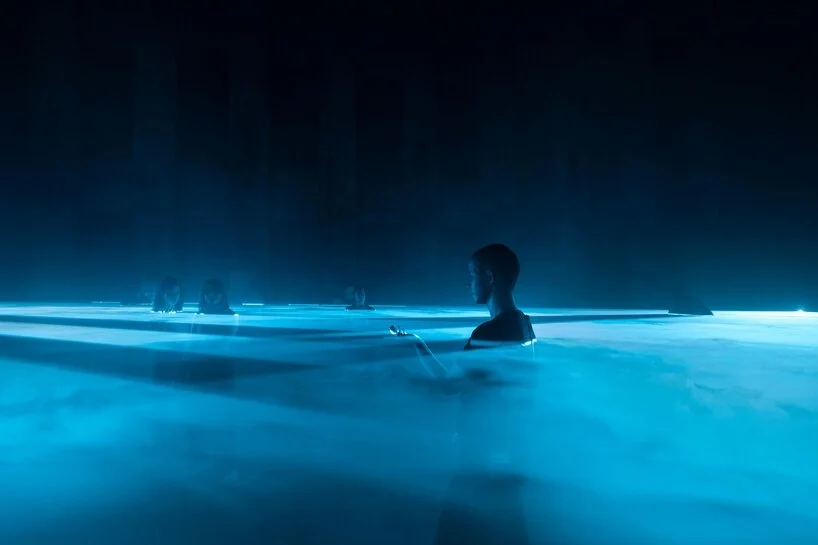
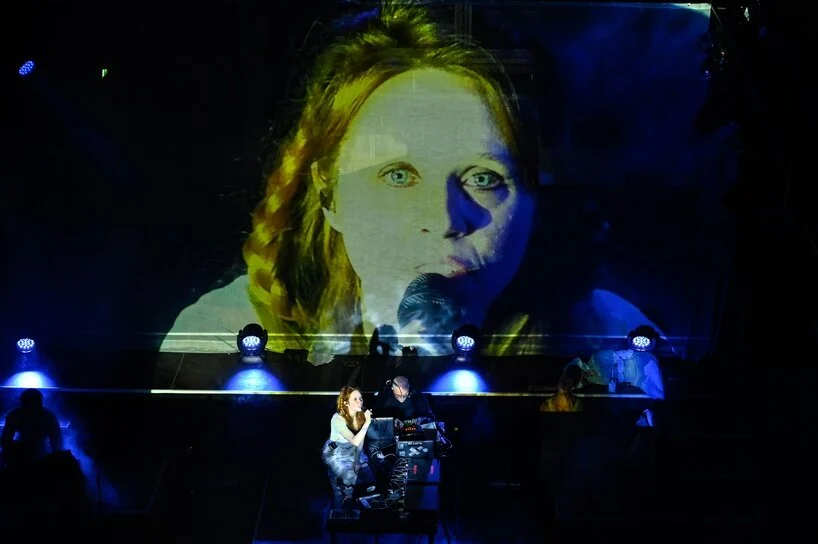
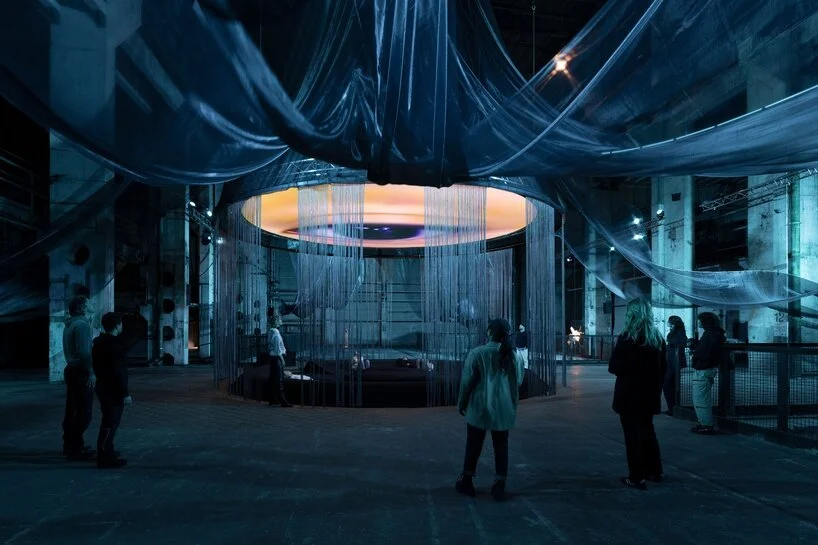
Bettina Kames co-founded LAS Art Foundation in Berlin in 2016 with Jan Fischer, starting from a question she puts plainly: "why another art foundation?" Her answer — "It really needs to be an art foundation about the future" — has meant filling Halle am Berghain and Kraftwerk with work by Ian Cheng, Laure Prouvost and Jakob Kudsk Steensen, then taking exhibitions to Venice with Josèfa Ntjam and Natasha Tontey. The foundation is nomadic by design and keeps an online residency running alongside the physical shows.
Our read: the venue choice is the curatorial statement, and it is a sharper one than it looks. A white cube asks an audience to concentrate; a club has already taught the same audience to stand in the dark for hours, accept volume, and let an image wash over them without needing a label. That is a trained crowd, and it is free. The risk is the inverse — a room that reads as a club will flatter weak work until the lights come up — but a foundation whose stated subject is the future choosing buildings with no art-historical manners is at least consistent.
via designboom ↗
The format for lighting what you must not touch turns seventy-four
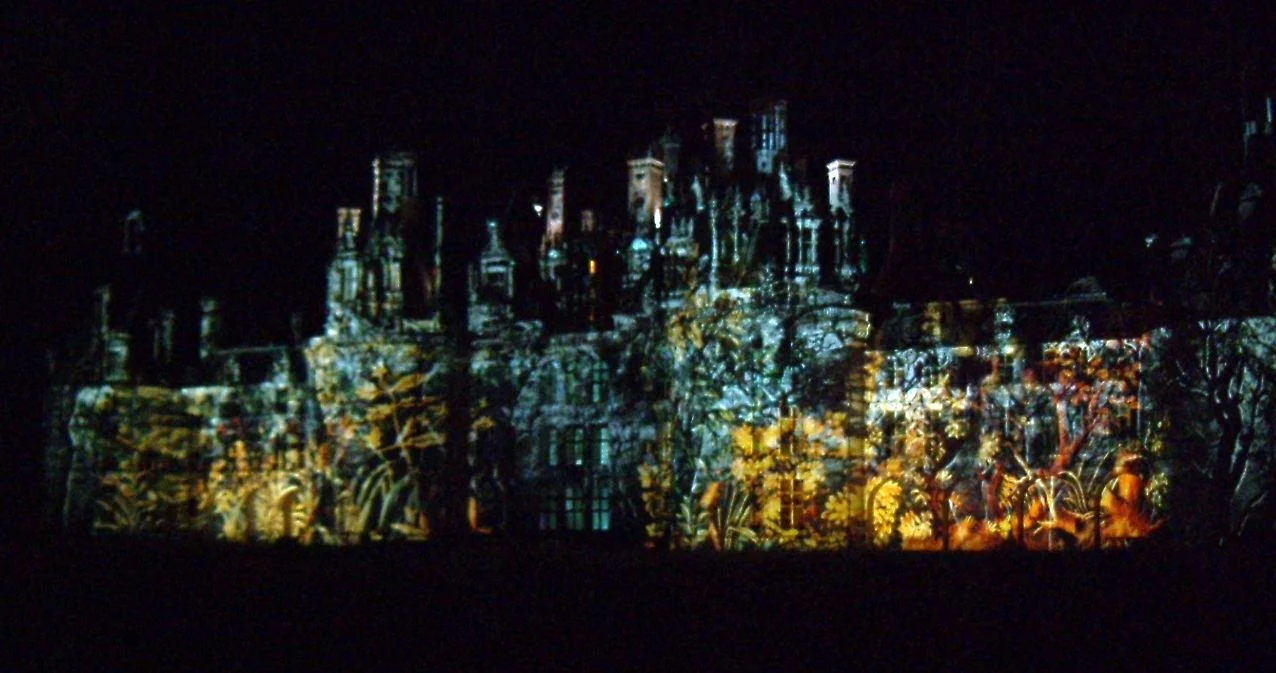
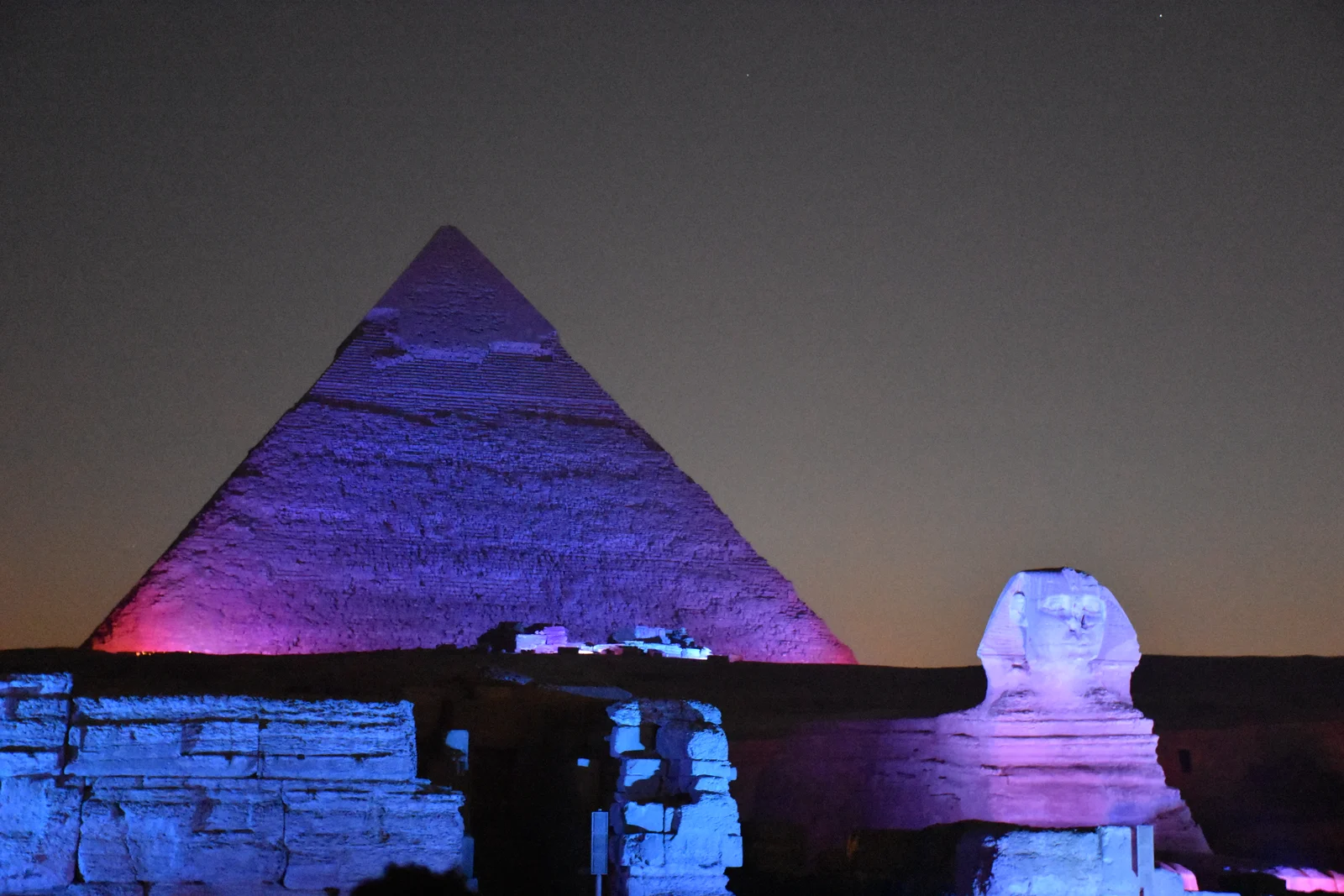
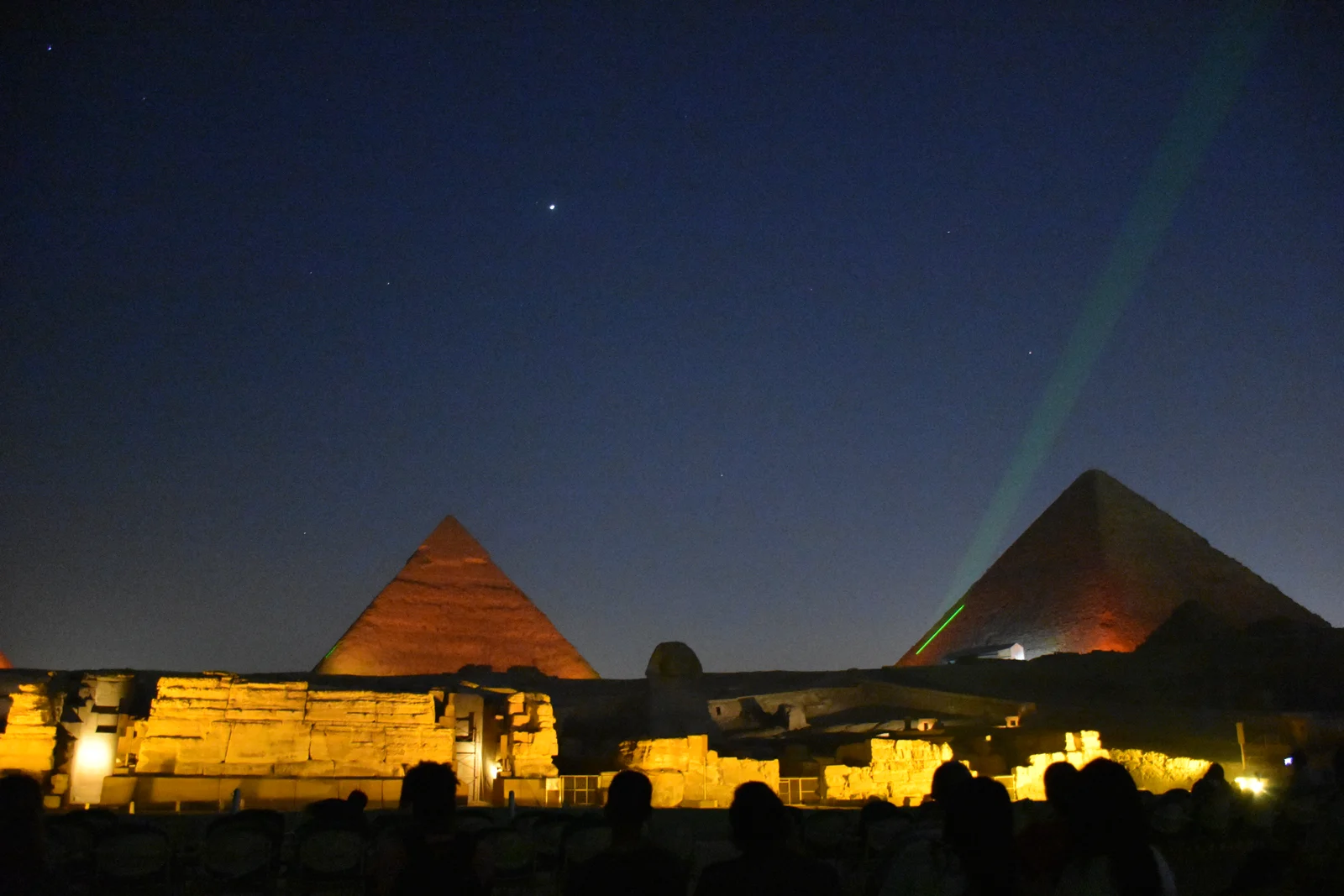
The son et lumière was invented in 1952 at the Château de Chambord by Paul Robert-Houdin — not a showman but the château's curator. The form is exactly what it sounds like: light thrown onto a facade or a ruin, synchronised to narration and music, telling the history of the place while standing in it. Giza followed in the early 1960s. France alone now stages around fifty productions a year.
Our read: the detail that matters is whose idea it was. The person who invented projecting onto a monument was the person responsible for the monument's survival — which is why the form has the constraints it does. Nothing is fixed to the building. The show exists only after dark and leaves no trace by morning. Every heritage projection brief we have ever been handed restates those rules as though they were new, and they are seventy-four years old. If you want to know why a technique has the shape it has, find out who had to live with the consequences.
via Son et lumière ↗
BLINK Cincinnati
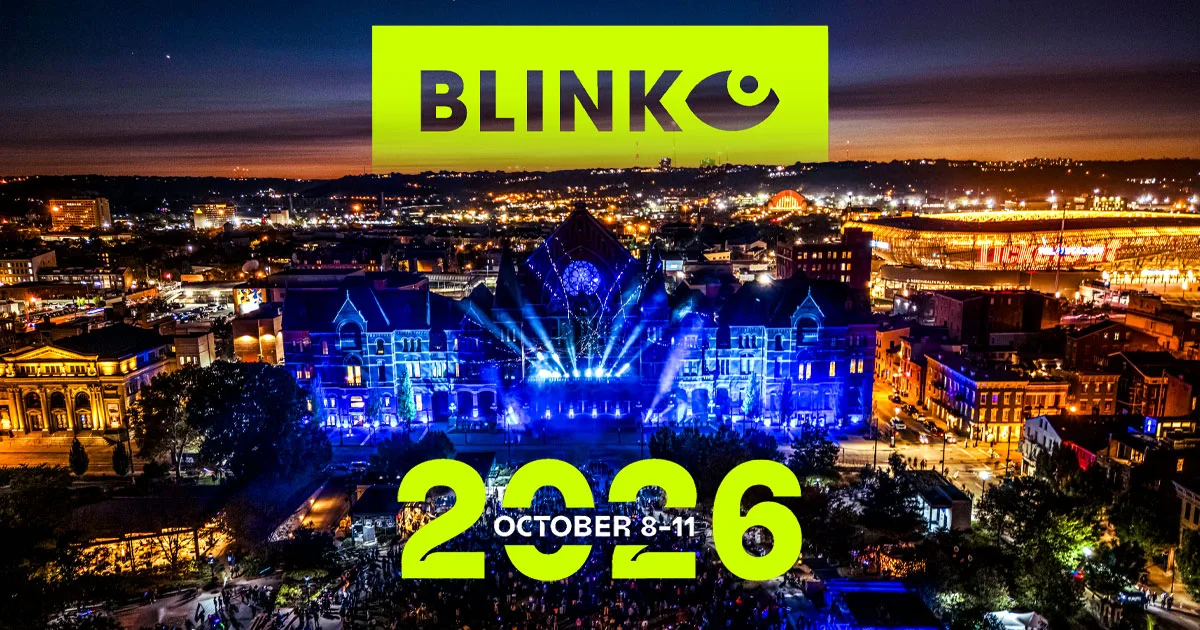
Four nights, 8 to 11 October, free, 7pm to 11pm, across thirty-odd blocks of downtown Cincinnati and over the Ohio River into Covington and Newport. More than eighty projection mappings thrown at the architecture, and on its own billing the largest public light and art event in the United States — a whole city borrowed at once.
via BLINK ↗
Festival of Lights Berlin
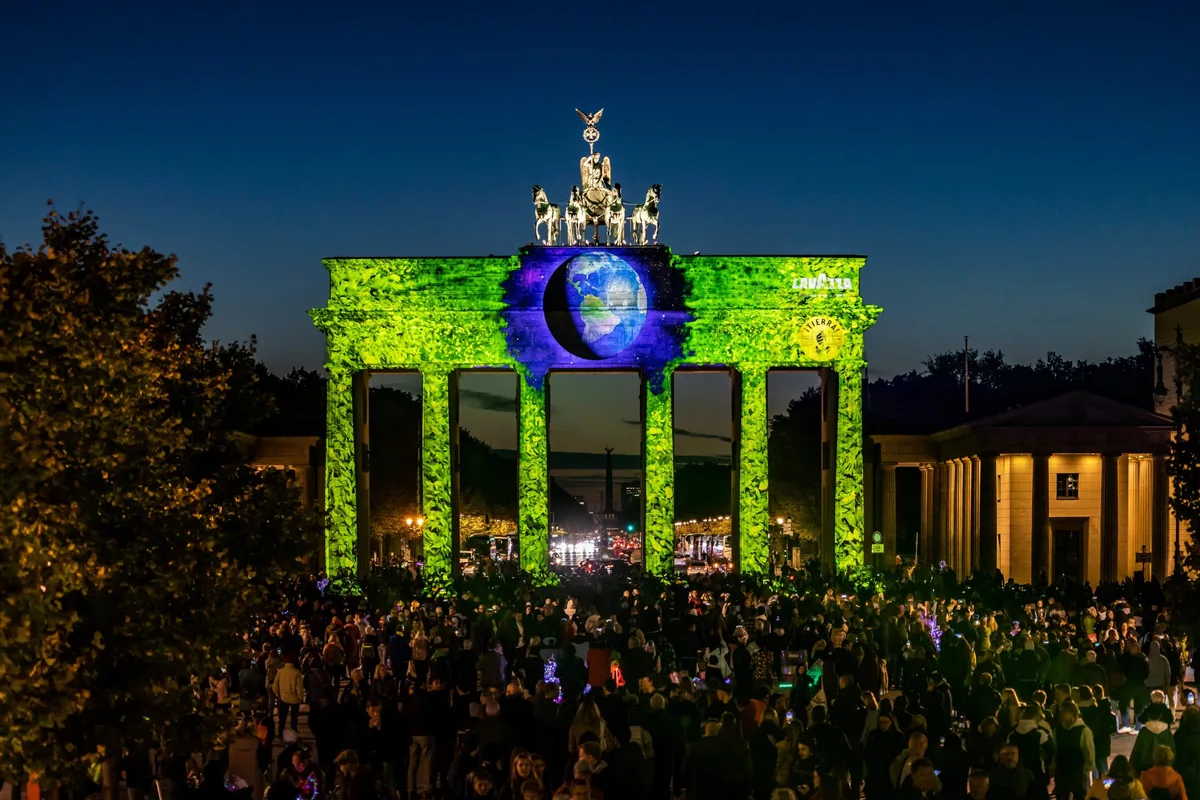
Ten nights on Berlin's landmarks, the Brandenburg Gate included. The son et lumière above, grown to the size of a capital and handed to a different artist every facade.
Anish Kapoor at the Hayward
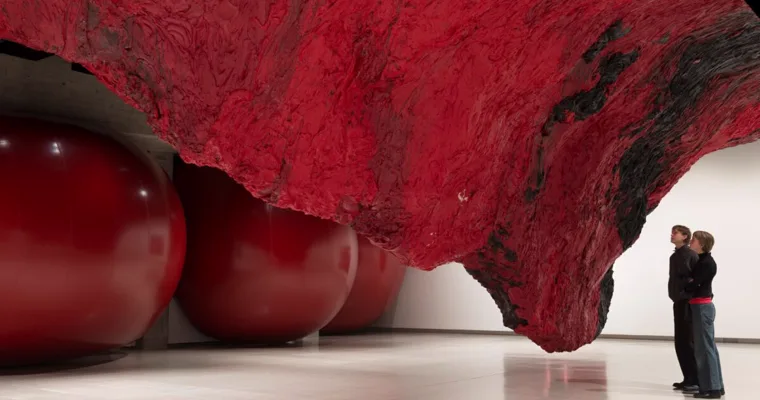
London, closing 18 October. Worth it for the pigment work alone — surfaces that refuse to tell you how far away they are.
The rest of the month is on the Calendar.
Curated by Neves Creative. Every item links to its original source.